The More You Pick, The More It Provides
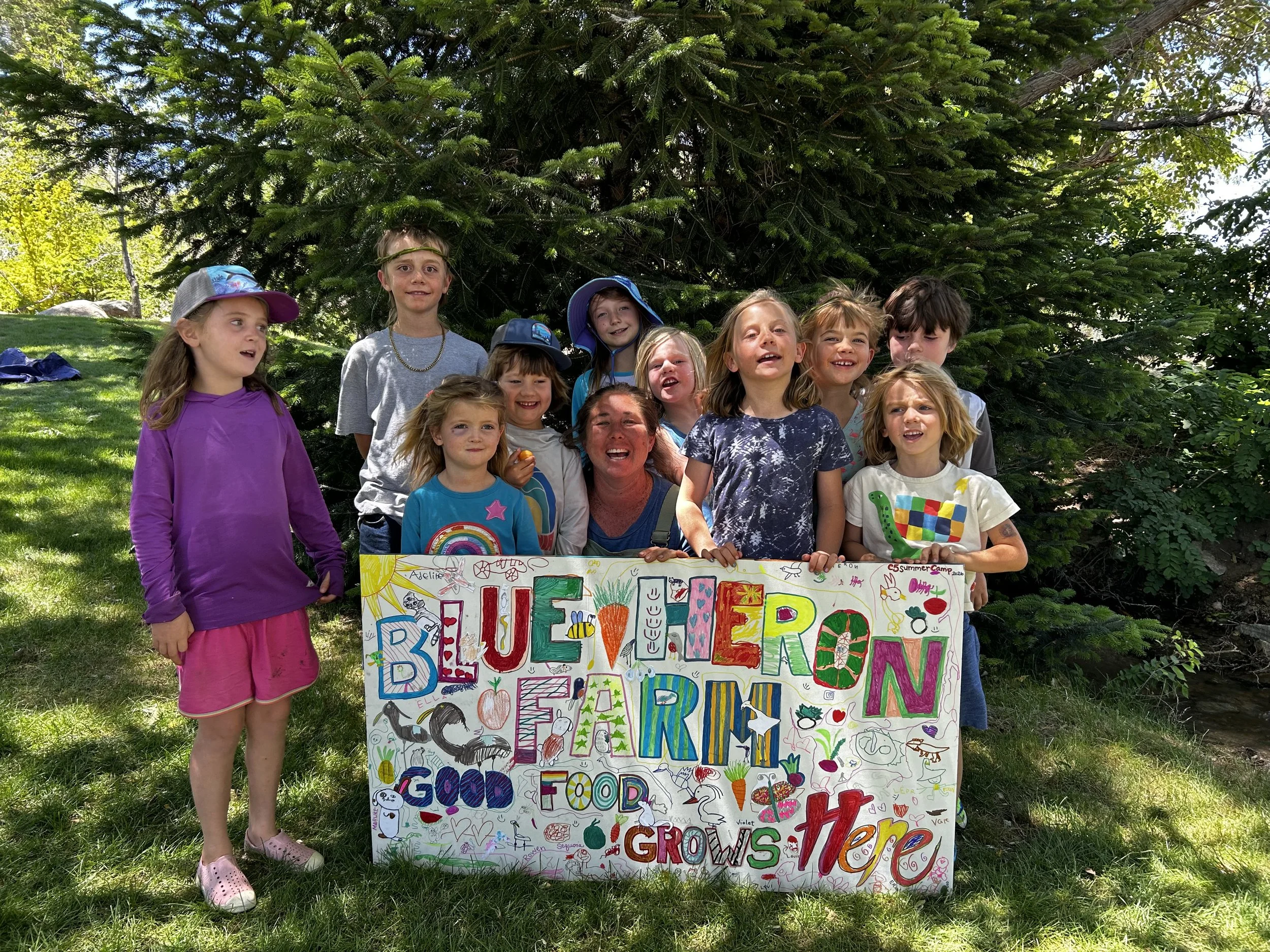
I have learned so so many things from the garden.
Some of them are practical. How deep to plant a seed. How long a bed of arugula will hold before it bolts. How to tell the difference between soil that is dry on top and soil that is dry all the way down.
But the older I get, and the more seasons I spend with my hands in the dirt, the more I believe the garden is teaching me about everything else, too.
Patience. Timing. Humility. Loss. Abundance. Starting over. Paying attention.
The garden has a way of telling the truth without being mean about it. It does not care what your plans were. It does not care how pretty the seed packet looked. It does not care if you are tired. It simply responds to what is happening.
Water too little, and things struggle. Water too much, and things rot. Ignore the weeds, and they do not politely wait until you have more time. Plant something too early, and the frost will remind you who is in charge. Plant something too late, and the heat will do the same.
It is a very honest classroom.
One lesson I have been thinking about a lot lately is this:
The more you pick something, the more it provides.
This is not true for everything, of course. Pull a carrot and that carrot is done. Harvest a beet and that is the end (at least of the growing) of that particular beet’s story. Some crops are one-and-done, and we love them for that too.
But many plants are different.
Basil wants to be picked. The more you pinch it back, the bushier it gets. Kale keeps sending up new leaves if you harvest the older ones. Chard will keep offering those big, glossy, ridiculous leaves as long as you keep showing up. Flowers are the same way. Zinnias, dahlias, cosmos — the more you cut, the more they bloom.
It feels backward at first. You take from the plant, and somehow the plant gives more.
But really, the harvest is a kind of conversation.
When we pick basil, we are telling the plant, “Keep going.” When we cut flowers, we are telling them, “Bloom again.” When we harvest kale leaf by leaf instead of ripping the whole plant from the ground, we are giving it a reason to stay in the work.
The plant responds by growing.
Not because it is being depleted, but because it is being engaged.
I think people are like that too.
We want to feel useful. We want to feel needed. We want to know that what we are growing, making, offering, building, cooking, teaching, painting, repairing, writing, planting — whatever it is — matters to someone.
Left alone too long, we can go a little dormant. Not dead. Just quiet. Untended. Unsure if what we have to give is wanted.
But when someone shows up, when someone asks, when someone receives what we are offering, something in us starts to grow again.
Purpose is its own kind of sunlight.
And I think communities work the same way.
We talk a lot about wanting the places we love to survive. We want the farm to be here. We want local restaurants to stay open. We want art studios and small shops and local groceries and gathering places to keep their doors unlocked and their lights on. We want a town that feels alive, not just convenient. We want places with fingerprints on them.
But those places need to be harvested too.
Not harvested in the extractive way. Not used up. Not taken for granted.
Harvested in the garden way.
Visited. Supported. Engaged with. Picked from often enough that they are reminded to keep growing.
Go to the art class. Buy the loaf of bread. Order from the local restaurant on a regular Tuesday, not just when relatives are in town. Walk through the doors of the small grocery. Come to the farm stand. Bring a friend to C5 Art Studios. Sign up. Show up. Ask what is new. Tell someone their work matters.
Because it does.
The more we frequent the places we want to see flourish, the more those places can flourish. The more we participate in the life of our community, the more life there is to participate in.
A garden does not become abundant because someone admired it from the road.
It becomes abundant because someone kneels down in it. Because someone waters. Someone weeds. Someone notices. Someone harvests carefully and often. Someone comes back again tomorrow.
That is true of basil.
It is true of flowers.
It is true of farms.
It is true of people.
And I think it is true of towns.
The garden keeps teaching me this in its quiet, leafy way. Growth is not just about what we leave alone. Sometimes growth comes from being needed. From being touched. From being asked to give. From being part of a living exchange.
So this week, maybe go harvest something from the community around you.
But because the places we love grow stronger when we keep showing up.
And because, more often than not, the more we pick, the more there is.