BLOG

How the Market Grows
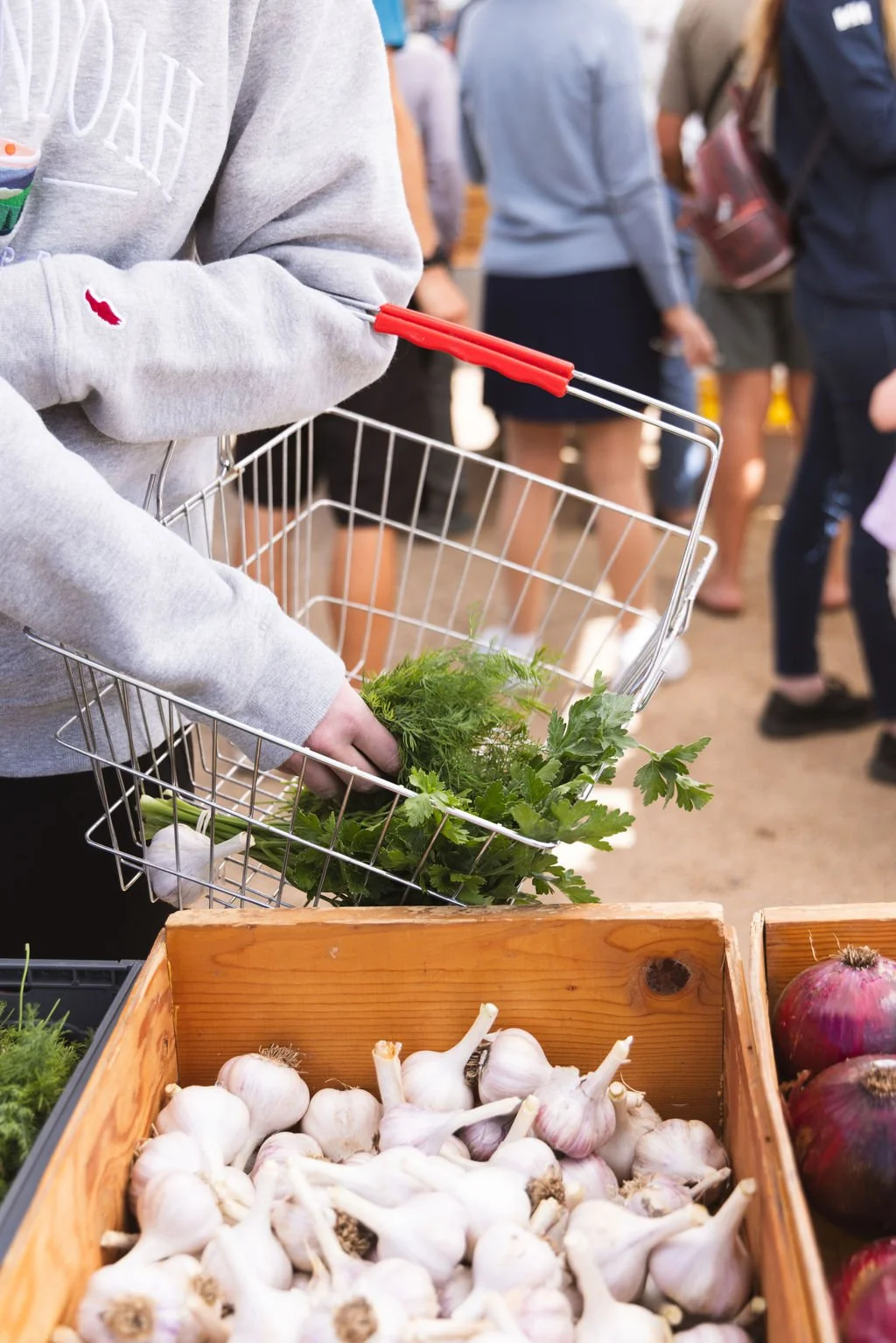
There is something really special about a farmers market. On the surface, it is pretty simple: farmers harvest food, makers pack up what they have made, ranchers load coolers, and everyone drives into town, unfolds a few tents and tables, puts out their signs, and cross their fingers that people show up. But underneath all of that, something much bigger is happening. A farmers market creates a direct connection between the people who produce food and the people who eat it, and for a small farm, that connection can make an enormous difference.
The Soil Bank Account
All season long, we make withdrawals from the soil.
Every crop we harvest removes something from the system. Vegetables leave the field, fruit leaves the orchard, and nutrients leave with them. Even in a year like this one, when we harvested very little fruit, the orchard still made withdrawals. The trees grew leaves, roots, shoots, and buds, responded to heat and water stress, and continued the work of preparing for another season.
The soil was still working.
I think about soil like a bank account. We can make withdrawals, but if we want that account to remain healthy, we also have to make deposits.
Transparency
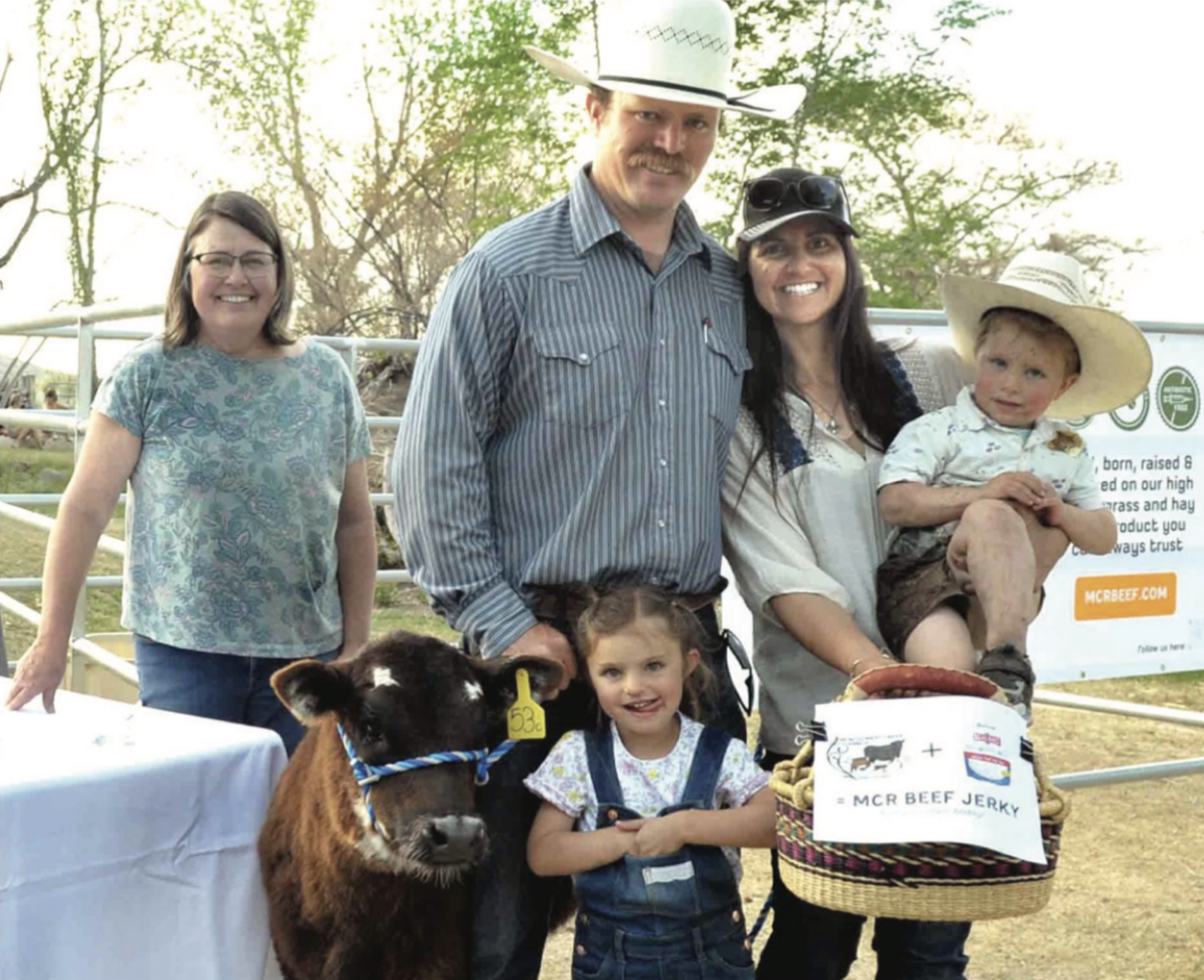
Last week, Bruce (an incredible farmer, and the head farmer at Inyo Farm @ School), sent me an opinion piece from The New York Times. It centered around a recent federal decision to temporarily expand imports of lean beef to help bring down rising grocery prices. Whether you agree with the policy or not, what really caught my attention was all of the questions I have heard over the past week.
Where is this meat coming from?
How was it raised?
Who produced it?
Can I trust it?
And I think those are some seriously good questions and they point to something much bigger. Transparency.
Spread the Word
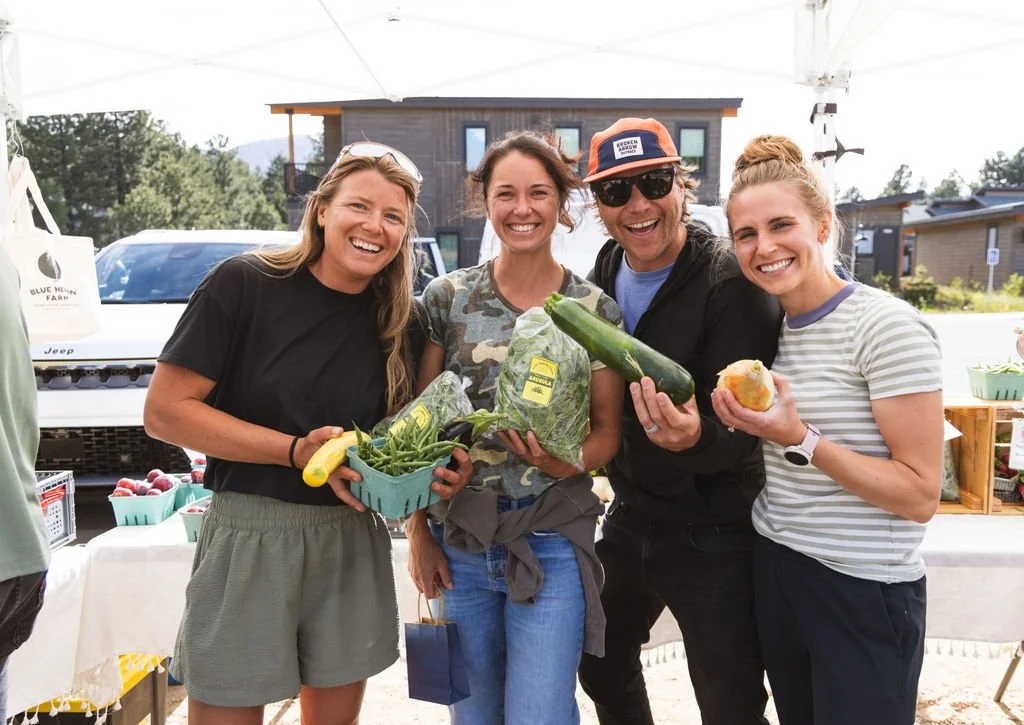
Last week I was out in the Zeus Field harvesting shishito peppers when someone wandered over to chat. As conversations on the farm often do, we started by talking about vegetables, then somehow found ourselves talking about local food, and life here in the Eastern Sierra. Then they shared that they have lived in Bishop their entire life and had no idea there was a farm out here. Not Blue Heron Farm. Not Apple Hill Ranch before it. They had lived just a few miles away their entire life and had no idea this place existed.
Everyone Deserves Good Food
A resilient food system isn't one where only some people can participate.
It's one where everyone has a seat at the table.
That belief has shaped many of the decisions we've made at Blue Heron Farm. Right now, there are three primary ways we're working to help bridge that gap and make fresh, locally grown food more accessible here in the Eastern Sierra.
Manor Market
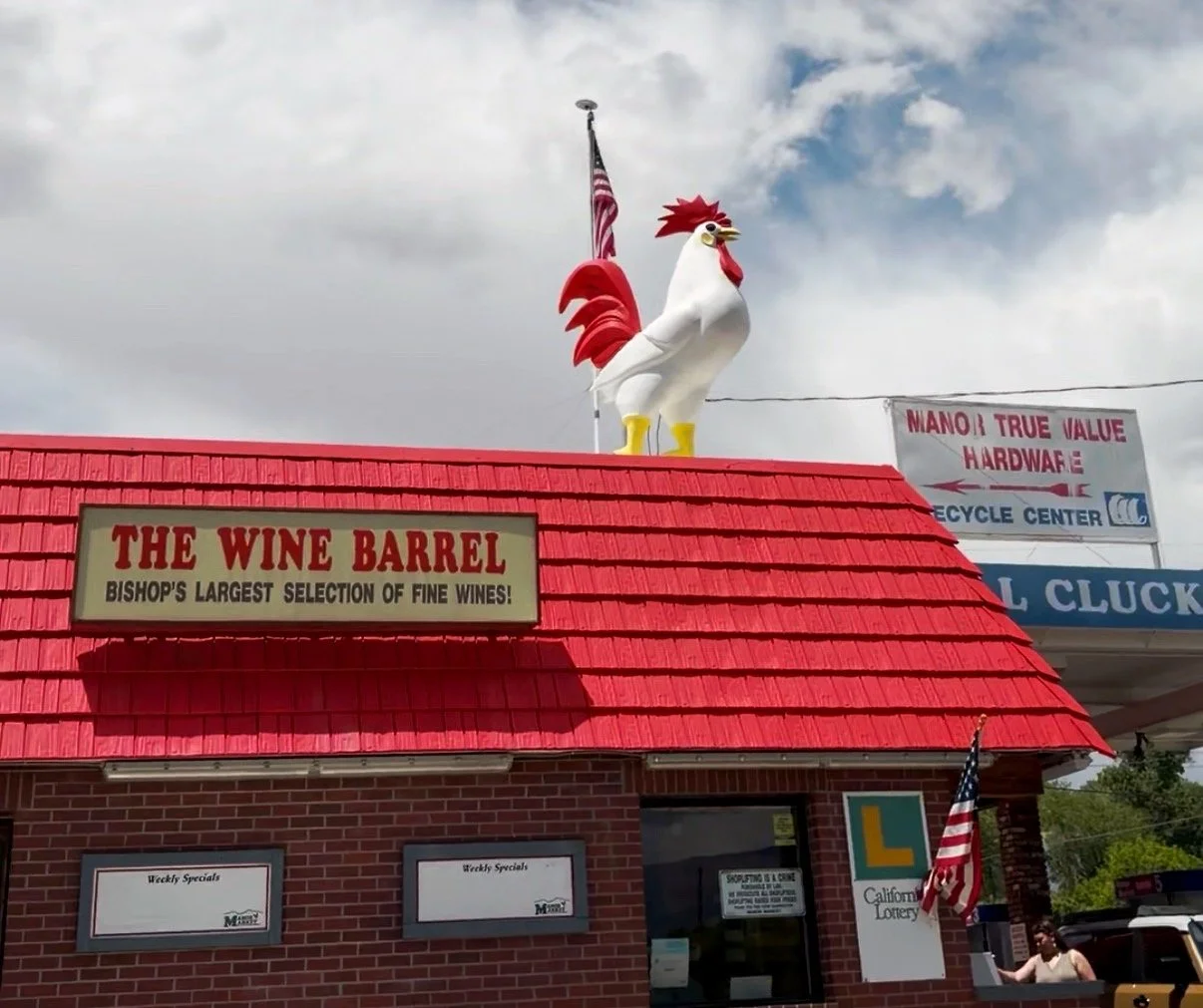
Since 1969, Manor Market has become much more than a place to buy groceries. It has become a pillar of an institution that helps define this community. In fact, its contribution to Bishop is so significant that a historical marker now stands outside the store, recognizing not only its longevity, but its decades of support for local nonprofits, Future Farmers of America, and local producers.
Today, more than fifty years after it first opened its doors, Manor Market is still helping write the next chapter of our community's story.
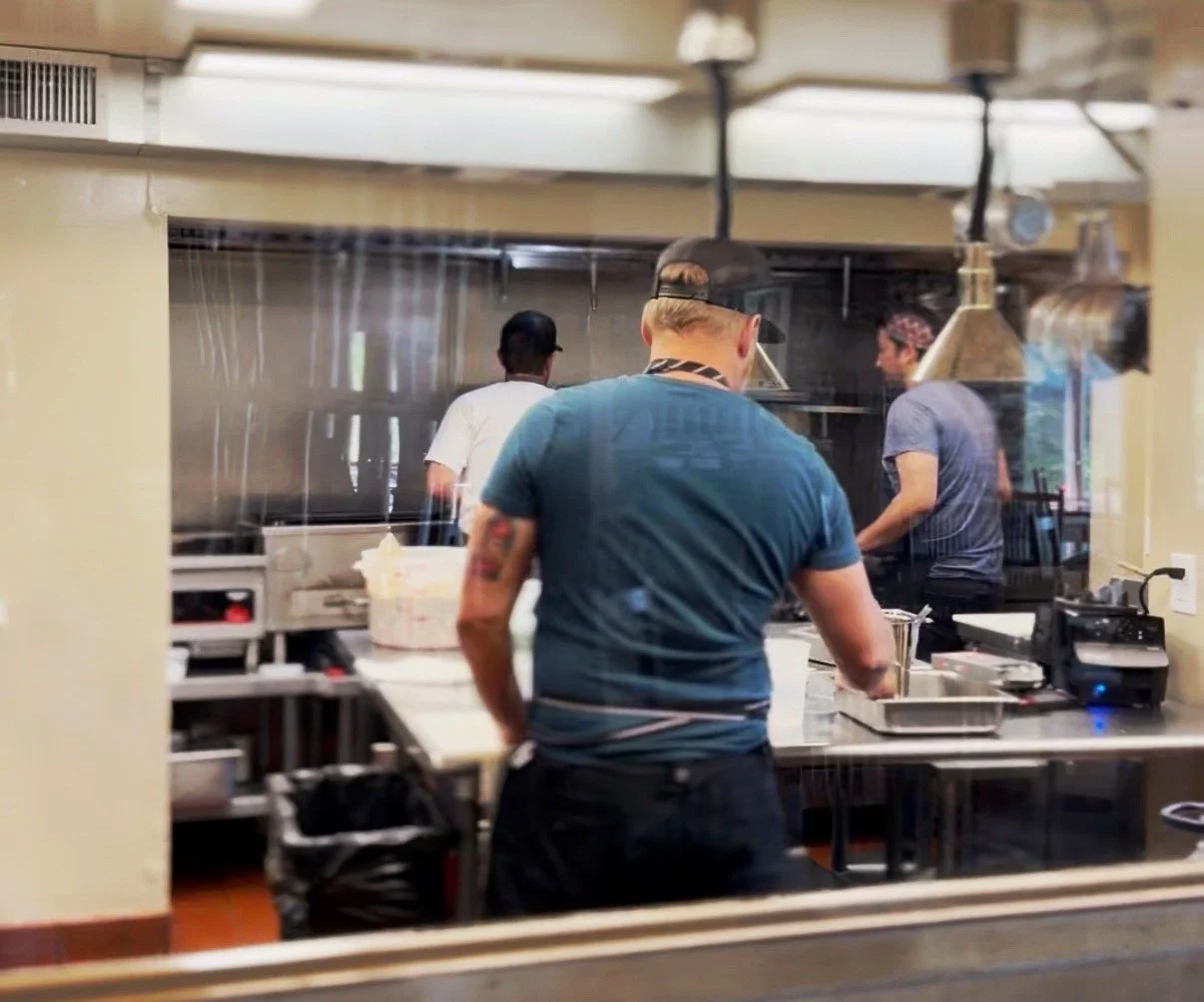
Cheers to the Chefs!
There is a part of building a local food system that most people never see.
It isn't just the farmers. It's the people who choose to buy from them.
If you've followed along for any length of time, you've probably heard me say that growing food is only half the battle. A farm can grow the most beautiful vegetables in the world, but if no one chooses to buy them, that farm will not last. Period.
That's where chefs and local restaurants come in.
I genuinely believe chefs are some of the most important advocates a local food system can have.
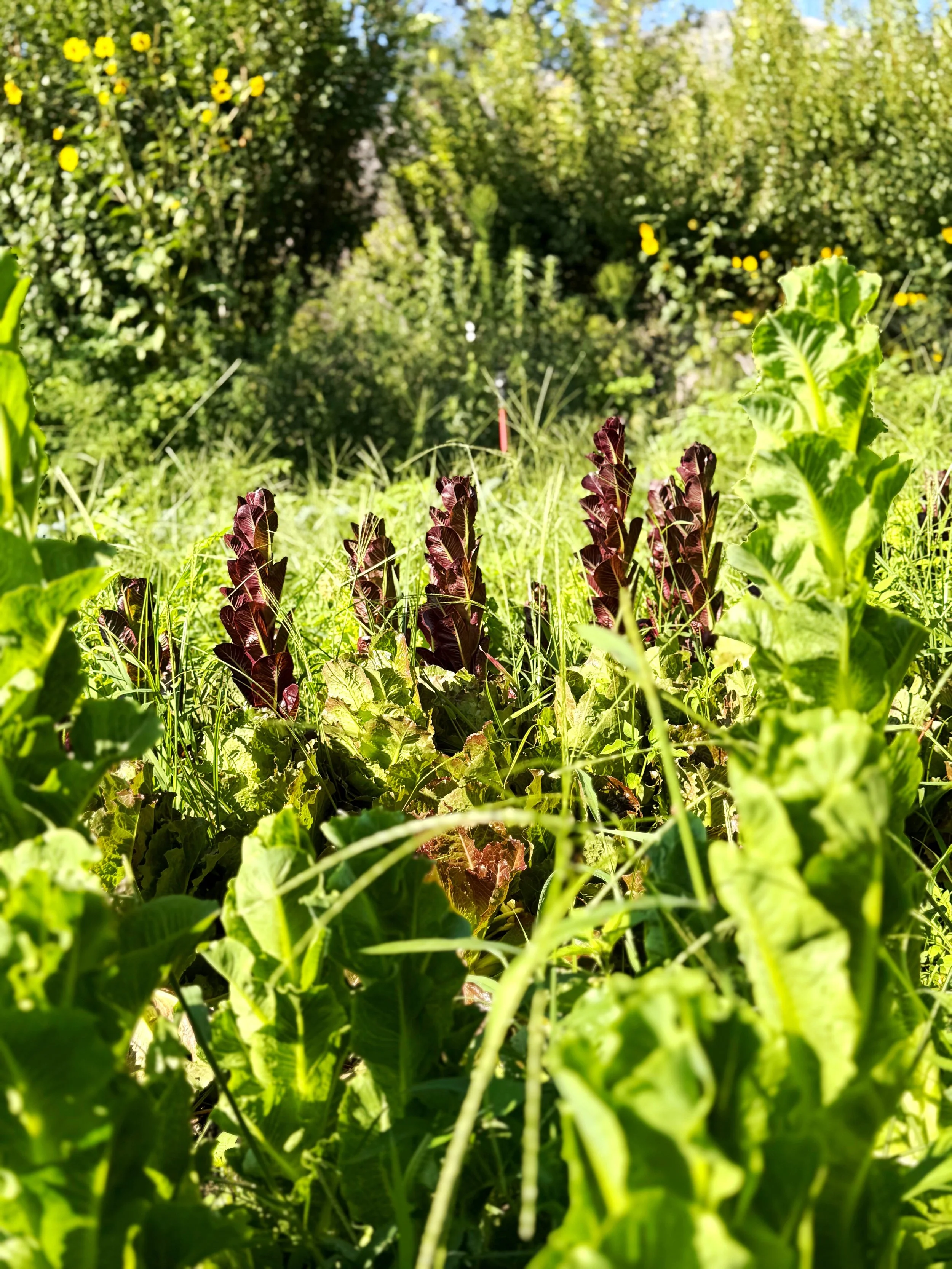
A Farmer's Notes on This Heatwave
It's been hot.
The kind of hot where the light is so harsh it drains the color from the valley.
This heatwave has been a good reminder that not all vegetables experience summer the same way. We tend to lump them all together but each crop has its own comfort zone. Some are built for this weather. Others are simply trying to survive it.
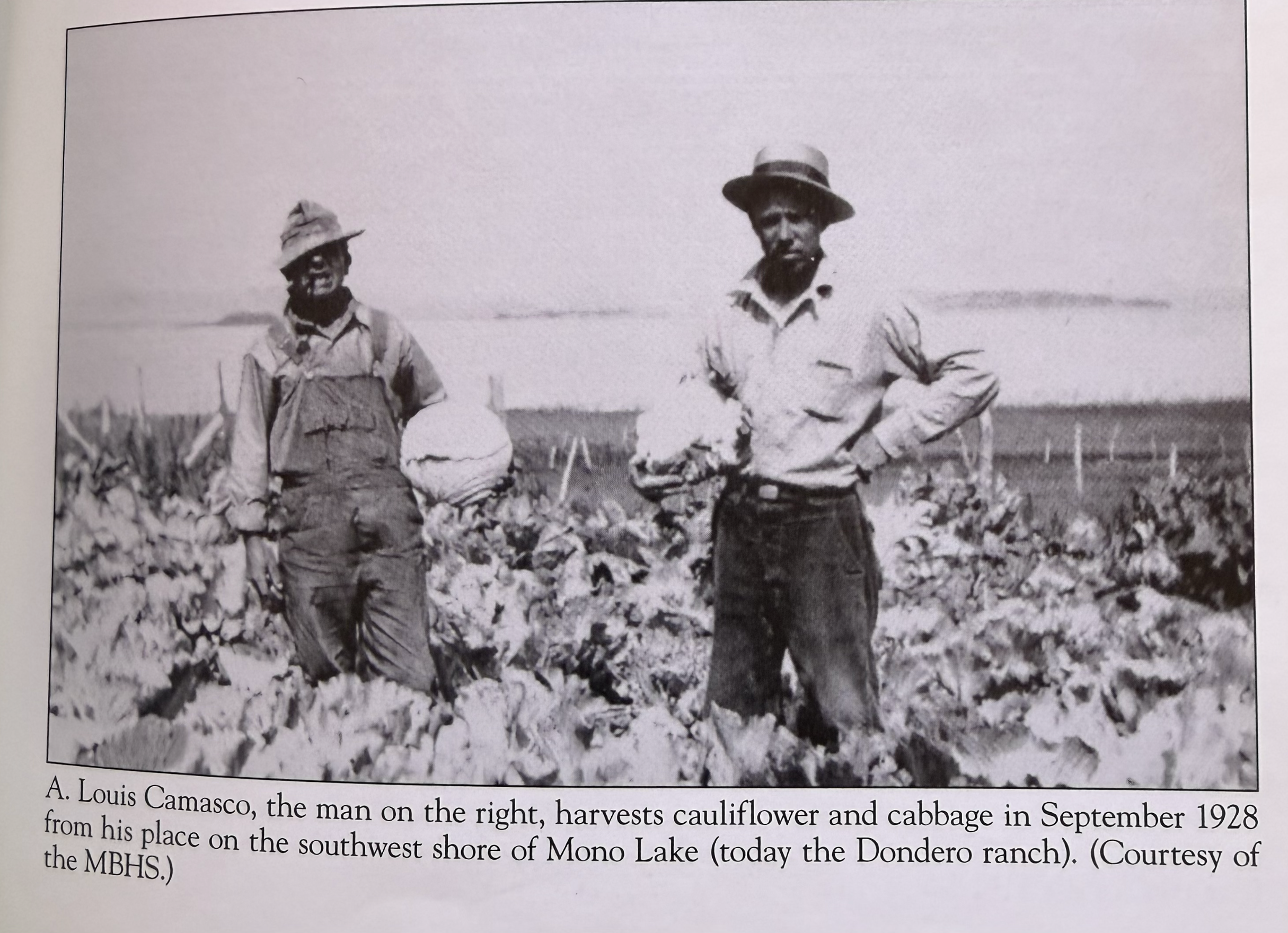
We Need More Farmers
The average American farmer is now 58.1 years old. There are now more farmers over the age of seventy-five than there are under the age of thirty-five. Last year alone, the United States lost another 15,000 farms, continuing a decline that has reduced the country from nearly 6.8 million farms in 1935 to about 1.88 million today.
This should concern all of us.
Because if we believe farming is essential, and gosh, I obviously do. We have to prove that it isn't only vital, we have to prove that it's viable.
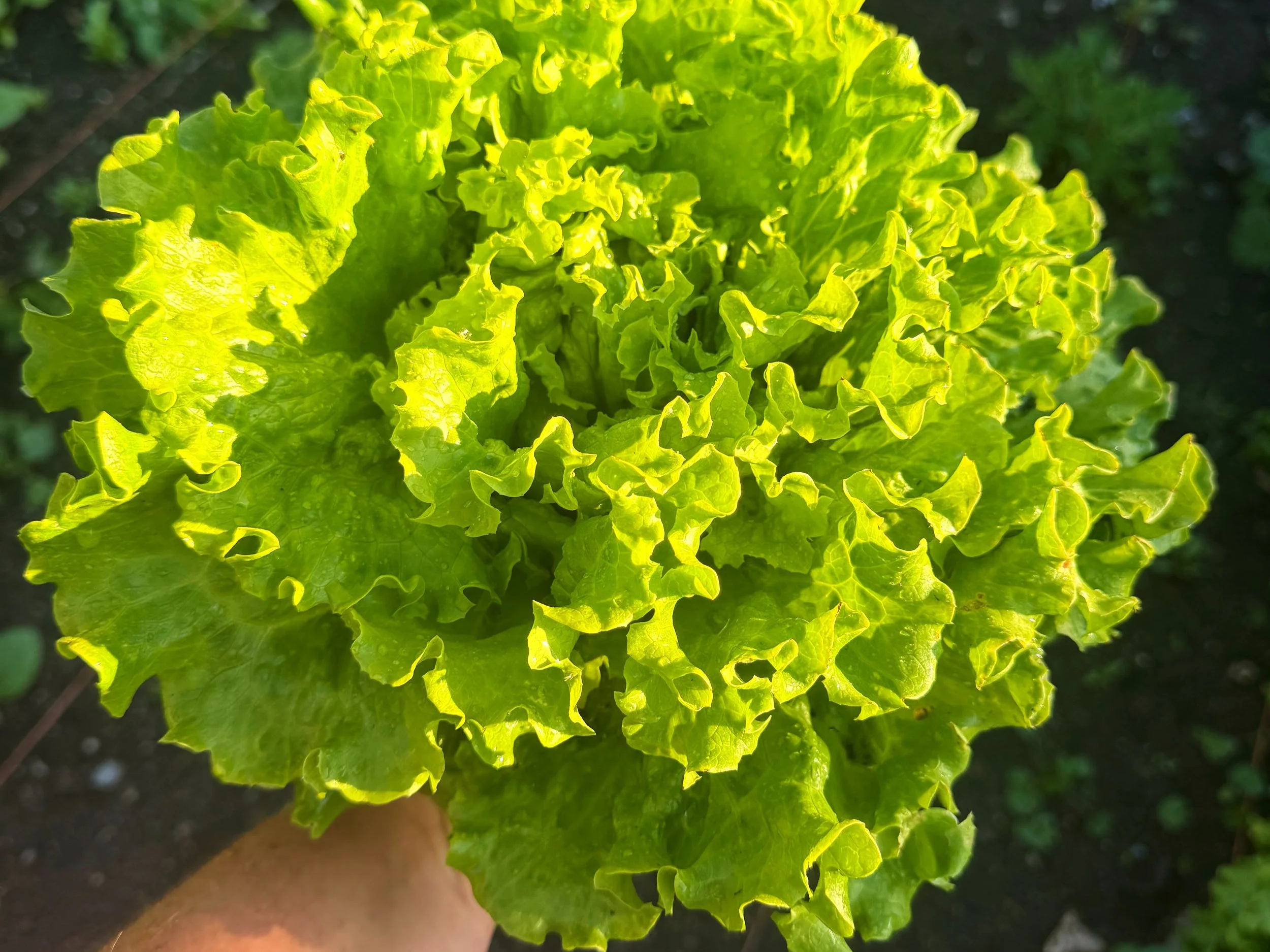
Cyclospora: An Insight into The Distance Between Us and Our Food
Outbreaks like this pull back the curtain on something most of us rarely stop to think about: the extraordinary journey our food takes before it reaches our plate.
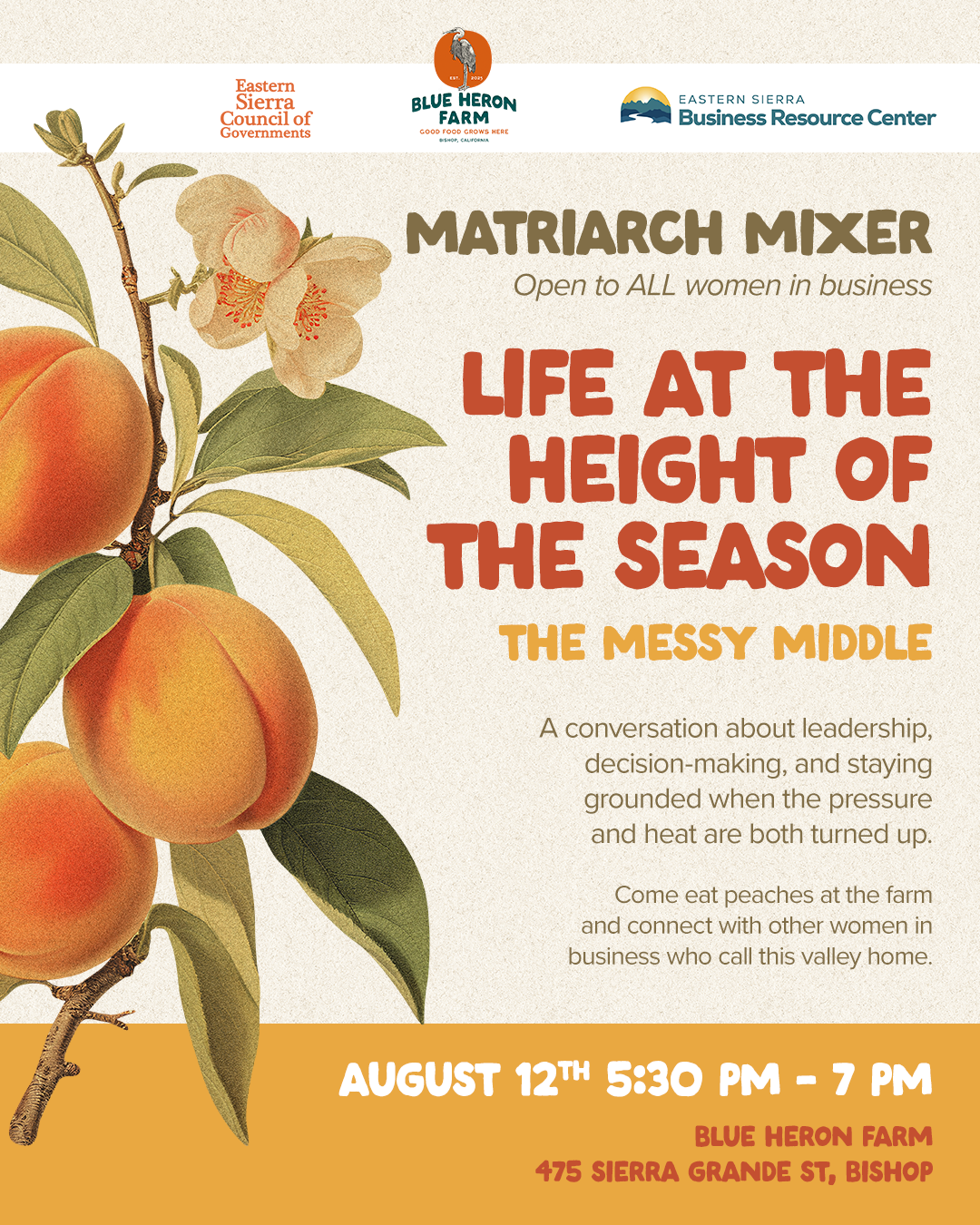
Matriarch Mixer
Join local women leaders, entrepreneurs, and changemakers for a networking mixer created to support and uplift women in business. Whether you’re launching your first idea or leading a growing enterprise, this event is for YOU.
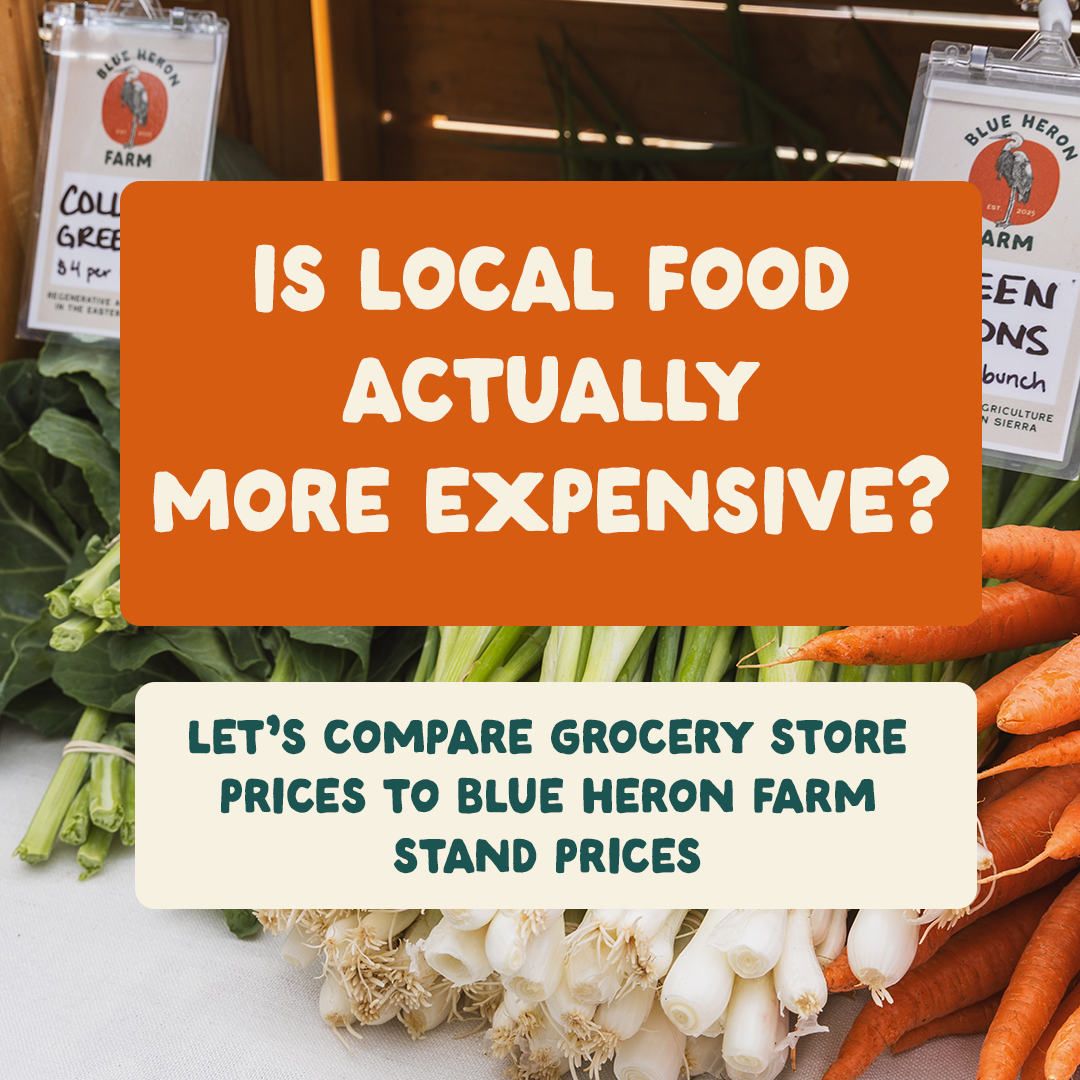
Is Local Food Actually More Expensive?
There is a sentence I hear a lot through our local food feasibility studies we have been working on. It is usually said kindly, sometimes apologetically, and sometimes with a little bit of certainty behind it.
“Local food is just too expensive.”
But lately, I have been wondering if we have all accepted this idea without ever really stopping to check it.
So we decided to do something simple. We took our farm stand prices and compared them to grocery store prices for similar produce here in Bishop. We compared fresh to fresh, organic where we could, and importantly, we compared the actual unit.
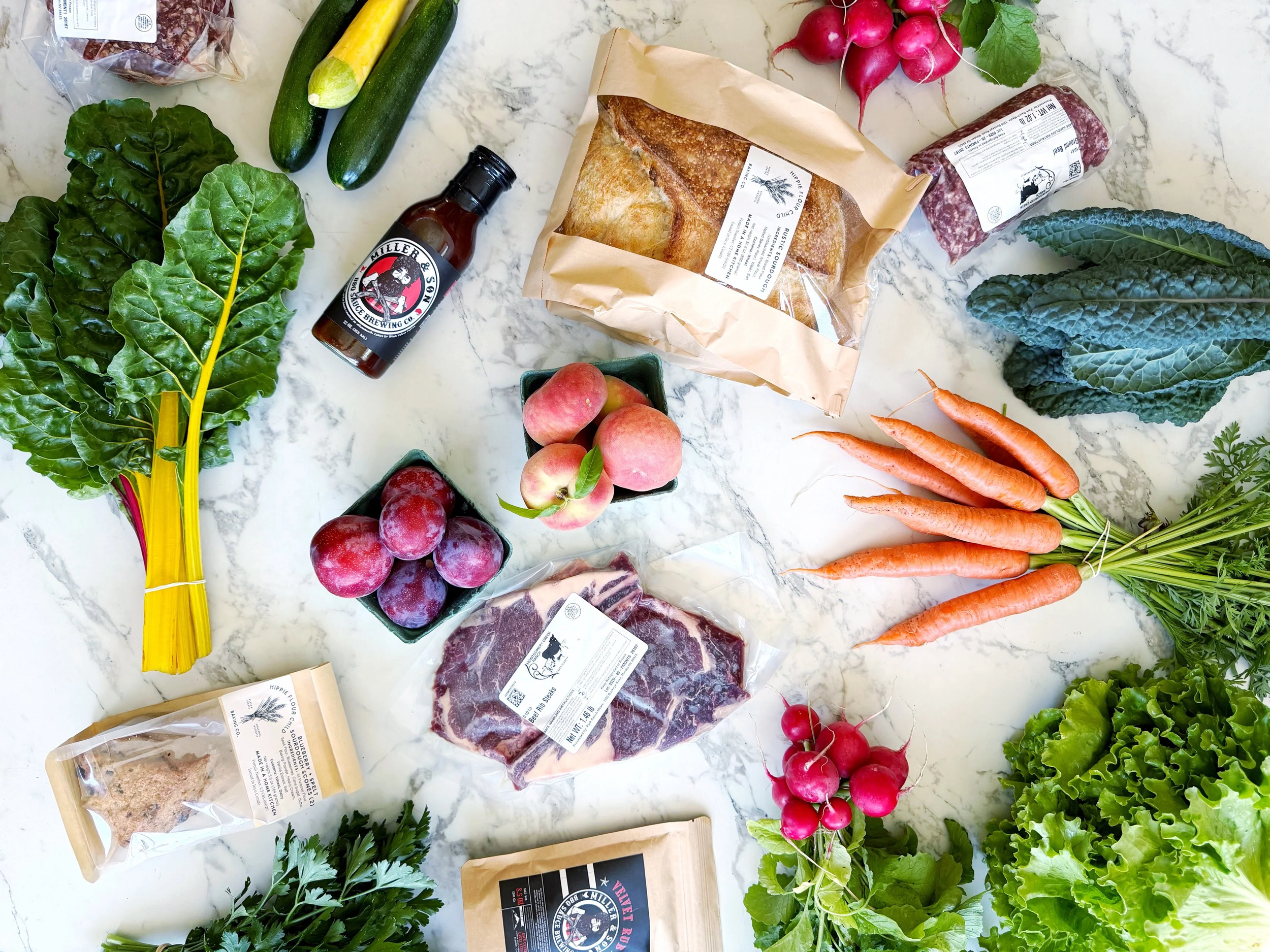
Building More Doorways Into Local Food
Last fall, as part of our local food feasibility work, and in collaboration with Plena Planning, we asked you and your neighbors across the Eastern Sierra what local food means to you, where you buy it, what keeps you from buying more of it, and what you hope could exist here in the future.
Hundreds of surveys were completed across the region, 317 to be exact, and I sat down and read every single one.
Your answers were thoughtful, honest, and clear. This is what I learned…
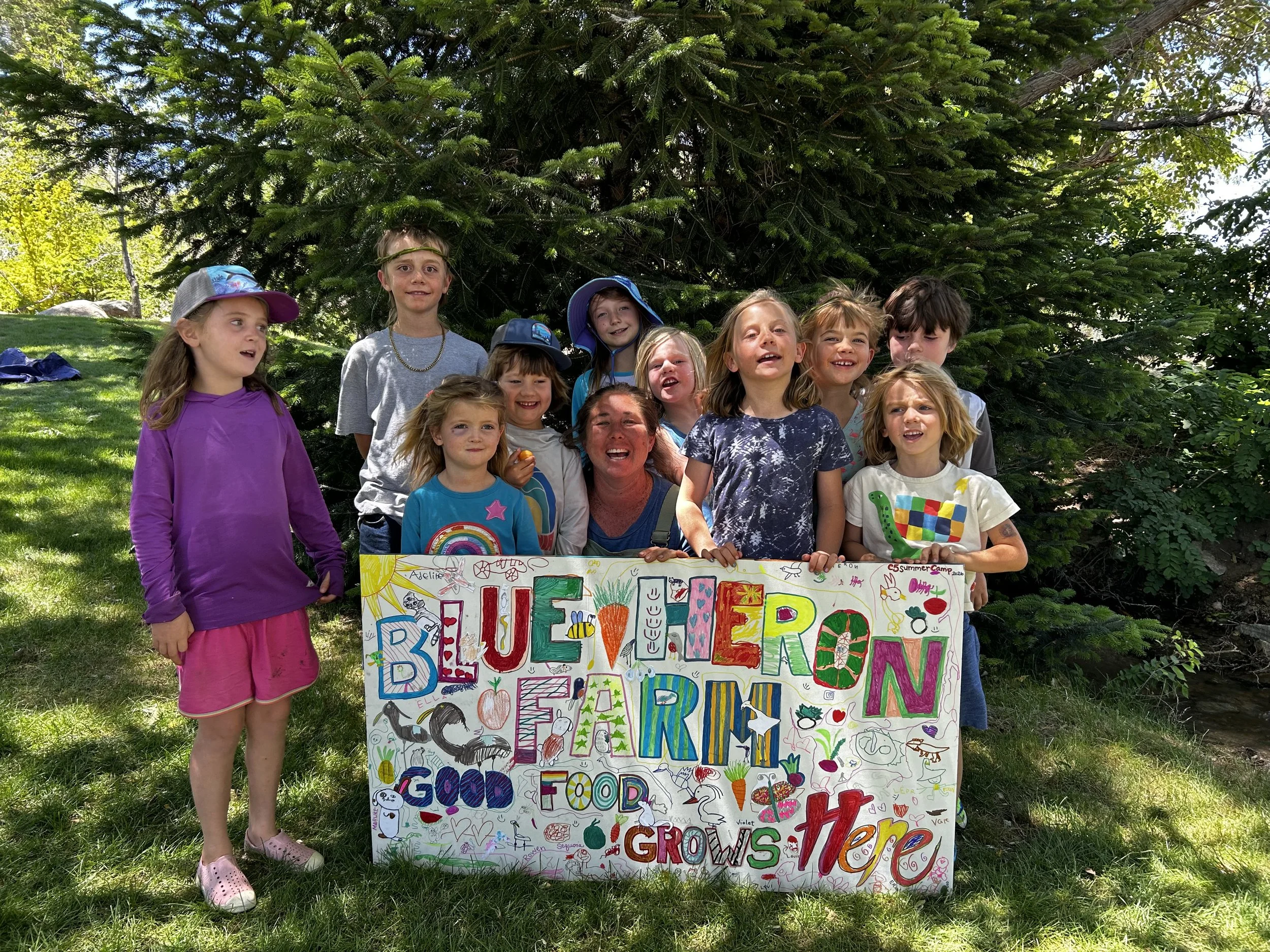
The More You Pick, The More It Provides
It feels backward at first. You take from the plant, and somehow the plant gives more.
But really, the harvest is a kind of conversation.
The plant responds by growing.
Not because it is being depleted, but because it is being engaged.
I think people are like that too.
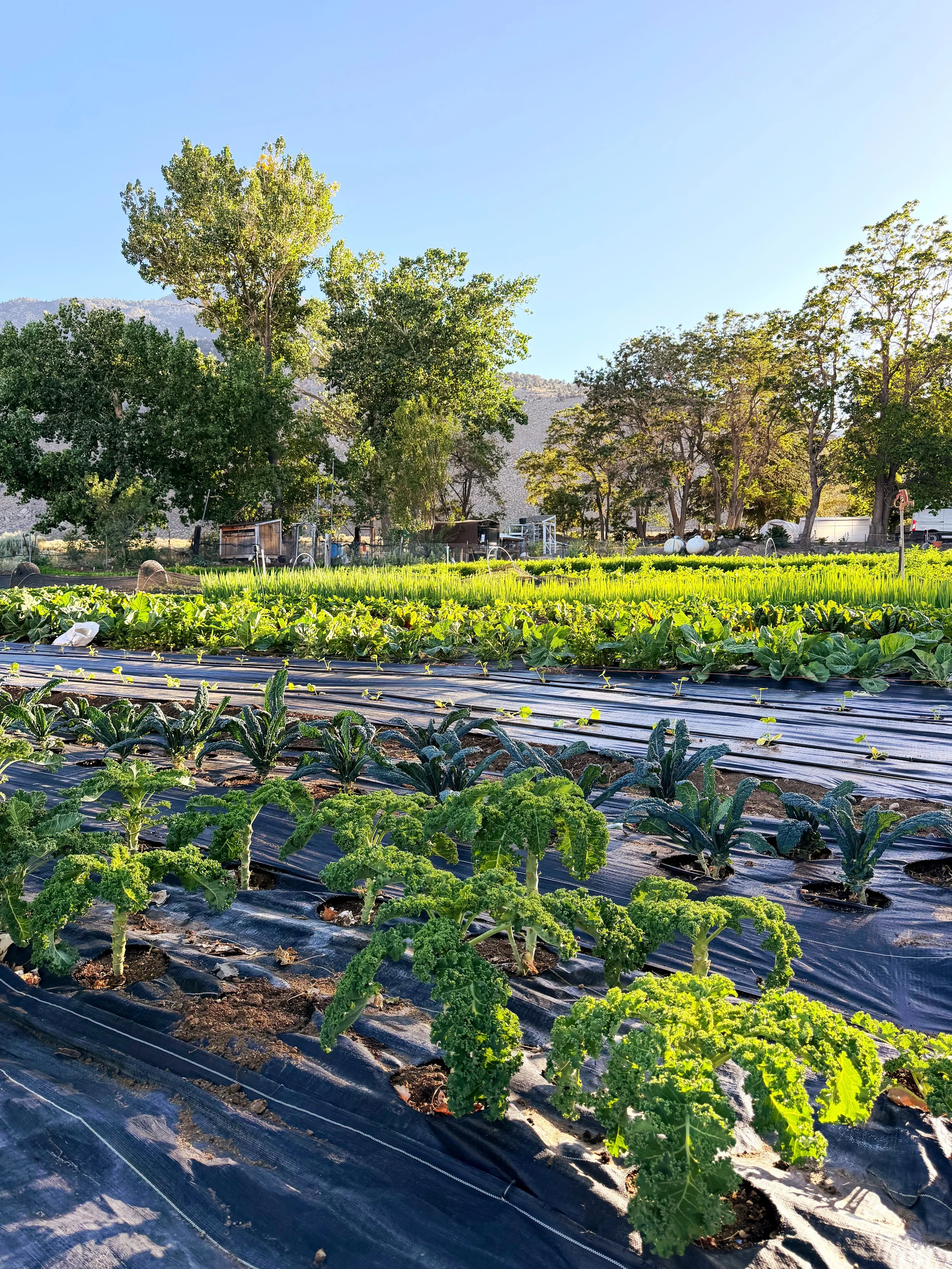
6.9.26 Field Report
I think anyone who has ever tried to grow something knows this feeling. Whether you are farming ten acres or tucking tomatoes into a raised bed in your backyard, there is this moment in spring where everything feels impossibly fragile.
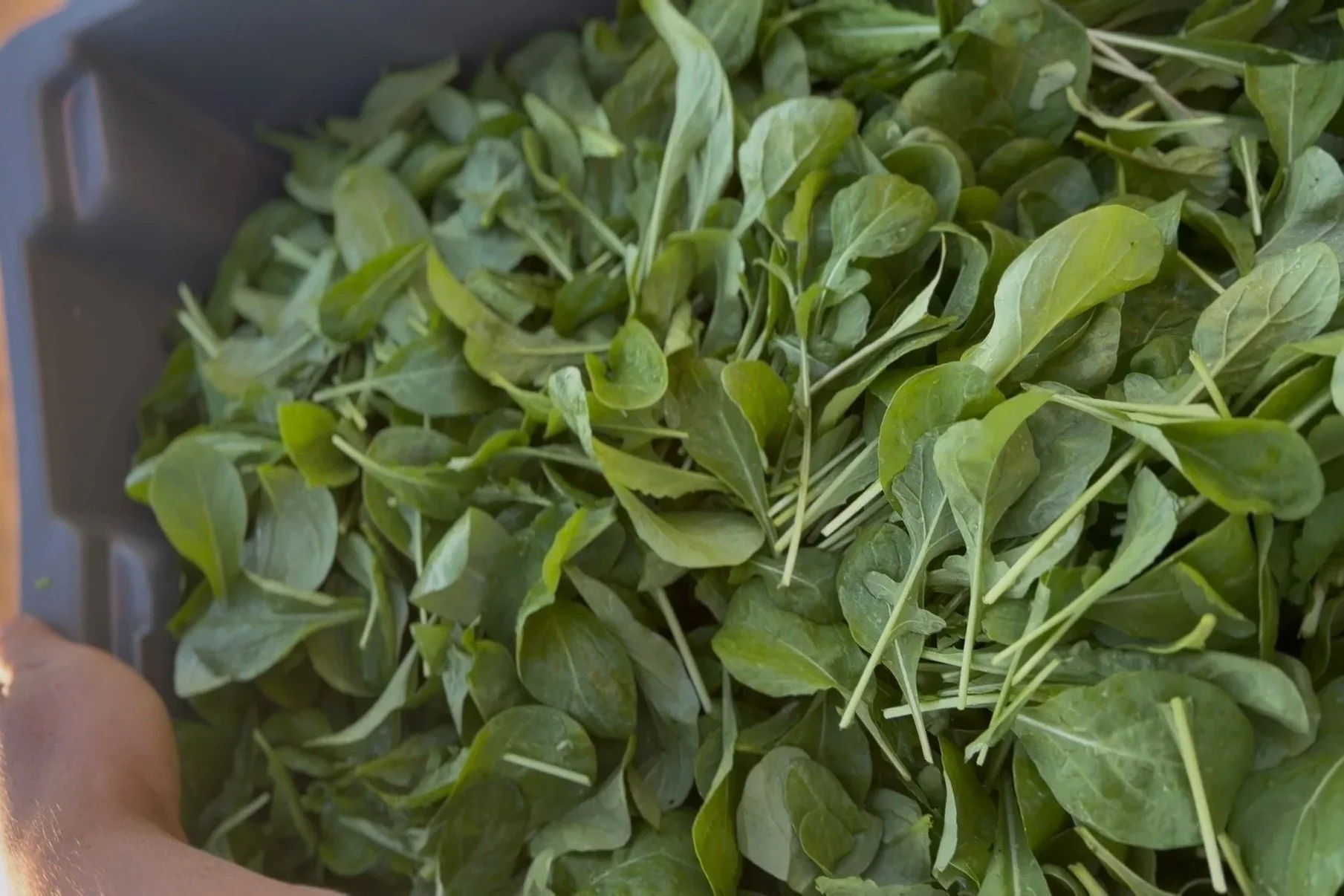
Arugula Has An Attitude
Arugula has an attitude. There is really no polite way to say it. Some greens come out of the ground soft and agreeable, ready to be tucked politely into a salad and chewed without much thought.
Arugula is not one of those greens. She comes comes up spicy, peppery, and sharp around the edges. She does not ease herself into a meal. She announces herself. She kicks the door open, walks in wearing leather boots, and makes sure everybody knows she has arrived.
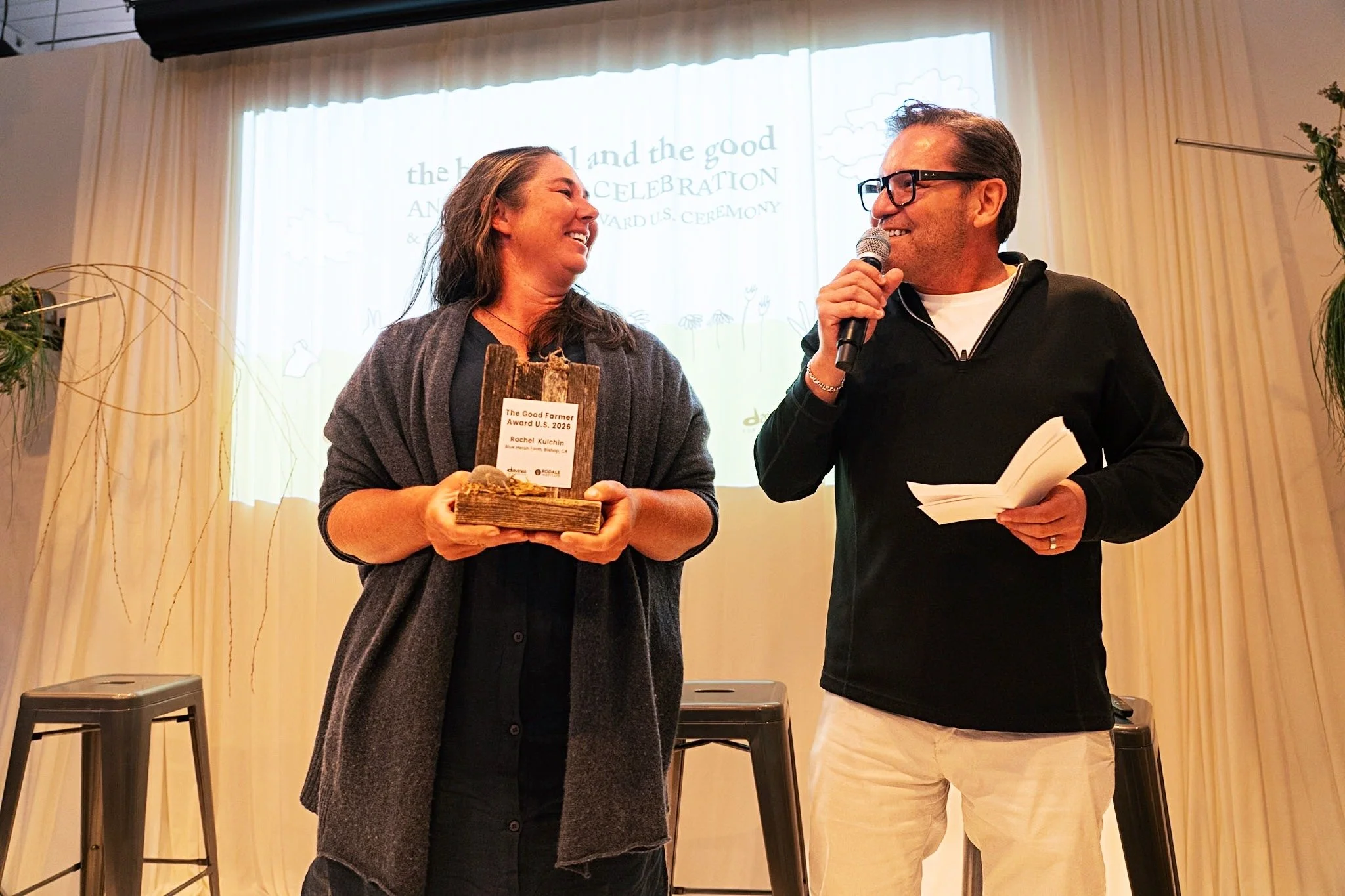
The Good Farmer Award
I still can’t quite believe I’m writing this.
Receiving the Good Farmer Award from Rodale Institute, in partnership with Davines Group, is one of the greatest honors I could ever imagine. It still feels incredibly surreal. To have the work we are doing out here in this small, rural valley seen and recognized in this way carries a real weight. But gosh, is it a good kind of weight. The kind that makes you stand a little straighter and take a deeper look at what you are building.
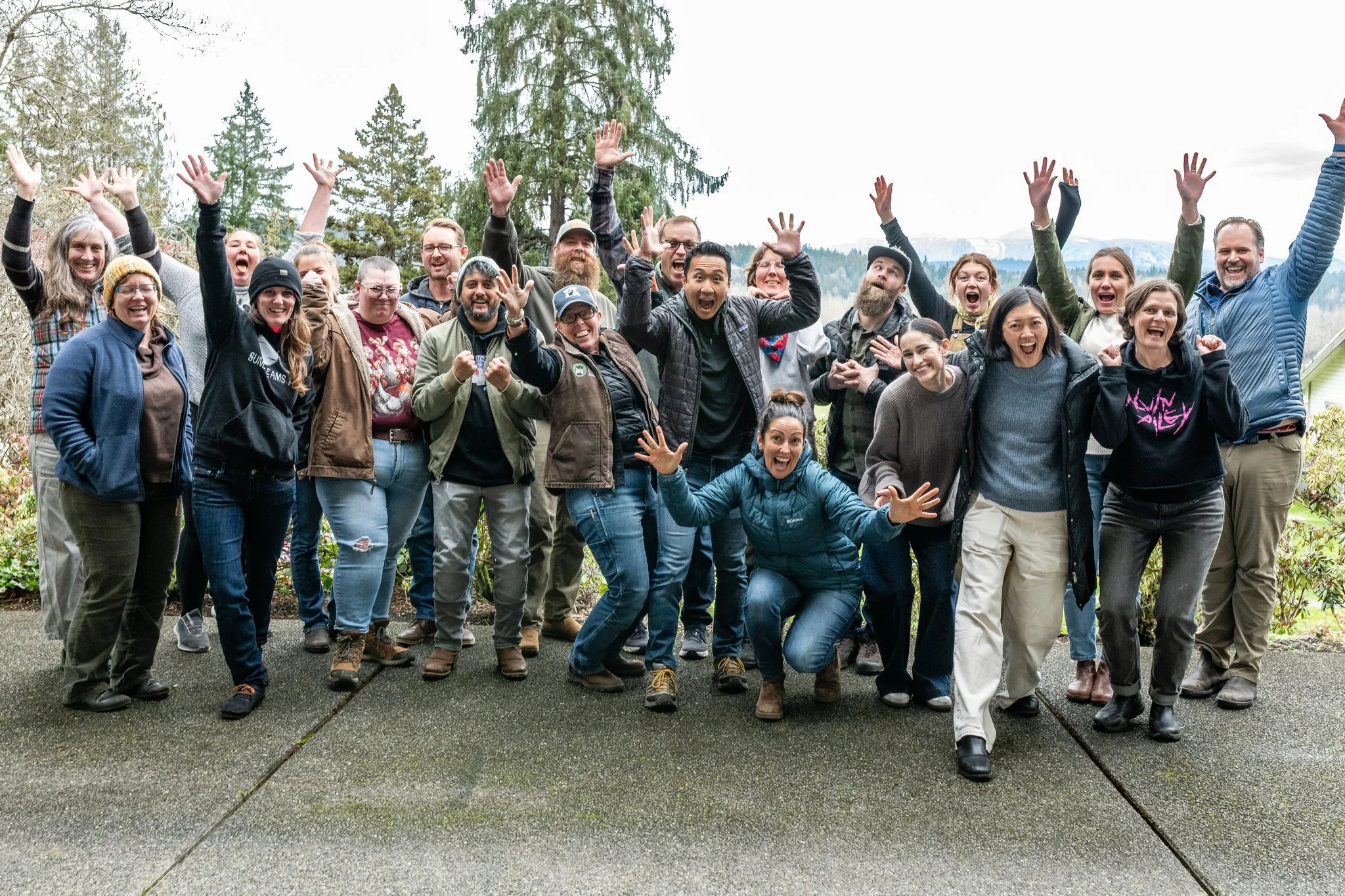
Reflections on my FARMpreneurs Strategic Sprint
Leaving the farm for a week in the spring is no small thing.
But it was worth it. Fully.
I came home with a level of clarity I didn’t have before. Not just on the farm, but on myself as a farmer and a business owner.
I have a clearer vision for where Blue Heron Farm is going. A stronger understanding of what needs to happen to get there. And a renewed sense that this thing we’re building matters.
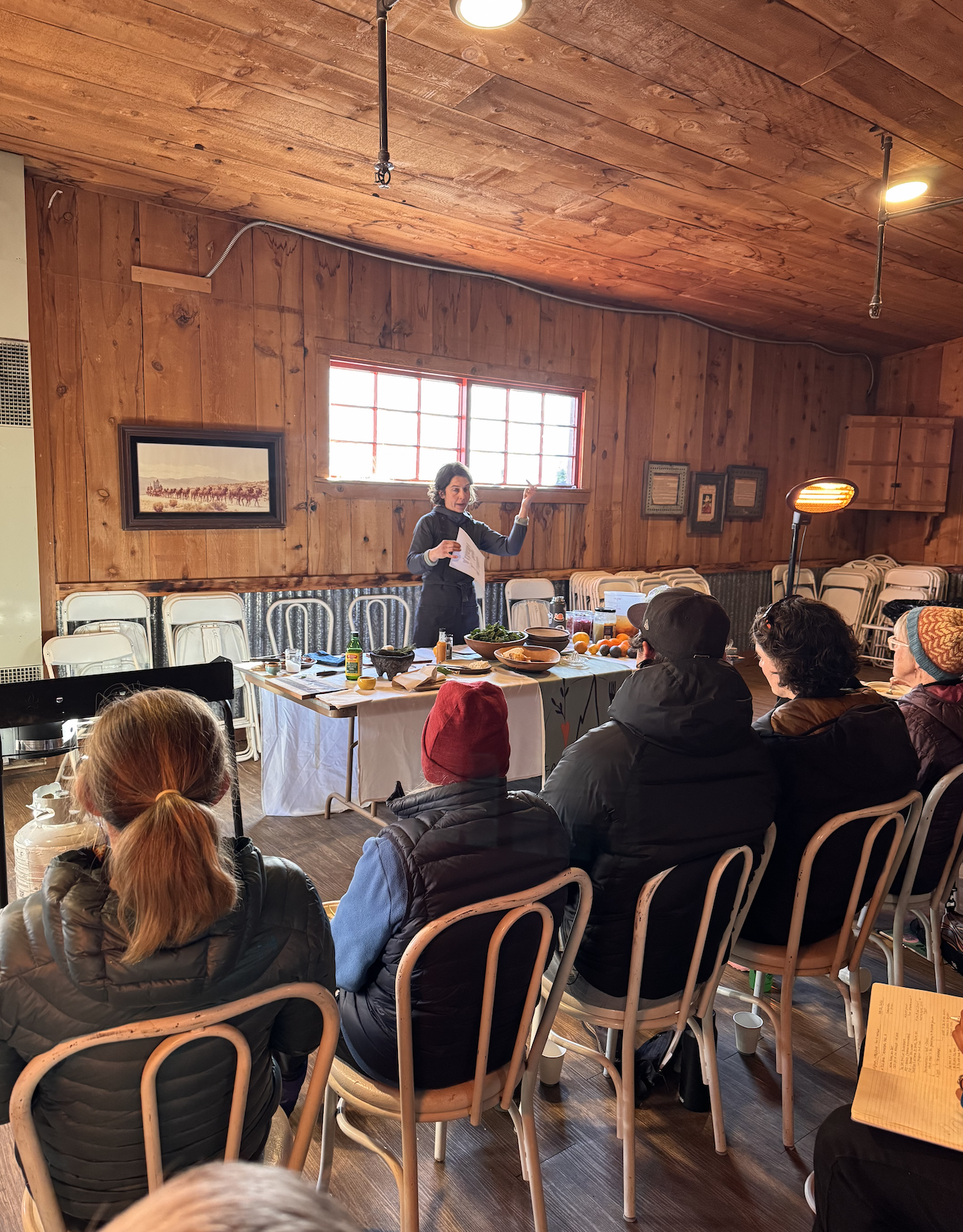
Reflections on From Soil to Summit
A massive thank you to Esther for sharing her incredible knowledge, and to the Farm to Crag crew for offering this experience. Thank you for creating space to notice where our food comes from, how it supports us, and how our choices ripple out into the places we love to move through.