December Bird Count at Blue Heron Farm
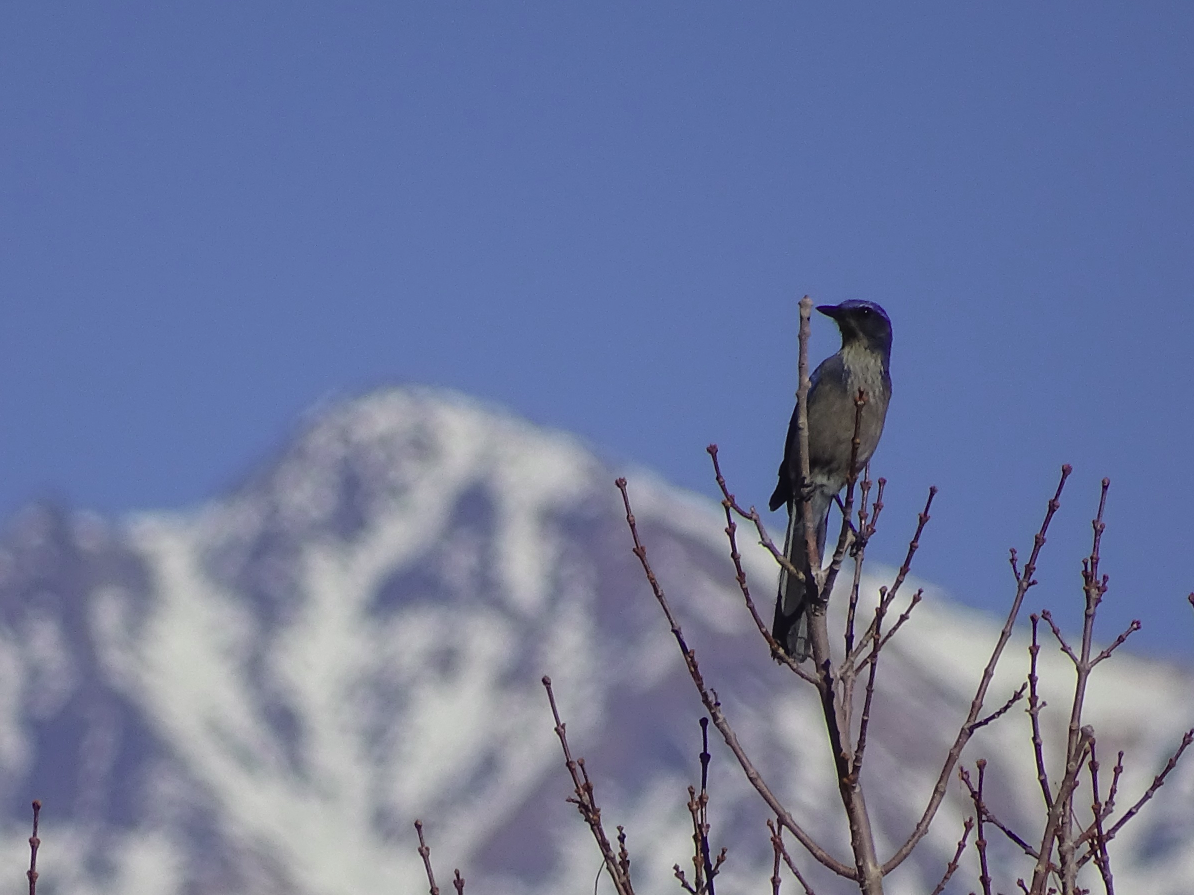
December Bird Count at Blue Heron Farm
Birds are one of the simplest ways to track whether our practices are actually improving the farm.
Photo Credit: Chris Howard
We are working toward a regenerative farm system here, and that means paying close attention to what the land is telling us. Birds are one of the simplest ways to track whether our practices are actually improving the farm. They show up when there is food, water, cover, and healthy habitat. They disappear when things are out of balance.
This December was our first official bird count, and it establishes the baseline we will measure against every year going forward. As we add pollinator rows, hedgerows, and designated wildlife areas, we expect to see changes in both the number of species and the number of individuals present. If bird diversity goes up, it usually means the whole system is getting stronger. Tracking this gives us real data to help us understand whether our efforts are working.
December 14, 2025 Bird Count
The count happened on a clear Sunday morning. Upper 50s Fahrenheit, a small breeze, sun out. The team walked the orchards, the pond edges, and the fence lines. Every bird was logged with as much accuracy as possible. Within two hours, they had twenty species recorded, totaling one hundred and four individual birds.
Here is the full list from the day:
Waterfowl
• Mallard, 11
Game Birds
• California Quail, 8
Hummingbirds
• Anna’s Hummingbird, 1
Raptors
• Red shouldered Hawk, 1
• Red tailed Hawk, 1
Woodpeckers and Sapsuckers
• Red naped Sapsucker, 1
• Downy Woodpecker, 1
• Northern Flicker (Red shafted), 1
Corvids
• Steller’s Jay, 4
• Woodhouse’s Scrub Jay, 1
• Common Raven, 1
Small Songbirds
• Ruby crowned Kinglet, 3
• House Sparrow, 5
• House Finch, 5
• Lesser Goldfinch, 4
Juncos and Sparrows
• Dark eyed Junco (Slate colored), 1
• Dark eyed Junco (Oregon), 30
• White crowned Sparrow (Gambel’s), 1
• Spotted Towhee, 3
Warblers
• Orange crowned Warbler, 1
• Yellow rumped Warbler (Audubon’s), 20
Why We Track Birds
This count is not just a list for curiosity. It gives us a clear starting point. As we continue to repair irrigation, plant cover crops, rebuild soil, and create habitat, we will be able to see exactly how the bird community responds. If species start increasing, we know we are heading in the right direction. If numbers drop, we know we need to adjust something.
Farming in the Eastern Sierra requires paying close attention to the details. Tracking wildlife is one of the ways we hold ourselves accountable to our long term regenerative goals. This is just the first data point in a record that will grow over the coming years.
We are grateful to Rosie and Chris for bringing more than two decades of Christmas Bird Count expertise to the farm and helping us establish our first official count. We so appreciate the time and care they brought to this effort, and we look forward to collaborating with them in future counts as the farm continues to grow and the habitat work expands.
A little about the Bishop Christmas Bird Count
From flycatchers to finches, the Bishop Christmas Bird Count is a one day citizen science effort to tally all wild birds in the Bishop area. The count takes place each year in mid December and brings together volunteers from across the community. The 44th annual Bishop CBC was held on December 14, 2025, when a record 69 birders covered the fixed 15 mile diameter circle centered at Ed Powers Road and Red Hill Road. The circle stretches across downtown Bishop, south toward the golf course and Wilkerson, west into Round Valley and Pleasant Valley Reservoir, north to the Owens River and Chalk Bluffs, and east toward Poleta Road.
The 2026 Bishop CBC will be held on Saturday, December 19, 2026. If you would like to learn more or get involved, you can find details here: