Everyone Deserves Good Food
There is a phrase I still hear, "Fresh, local food is expensive." And totally, that can be true.
Small farms simply can't compete with the economics of industrial agriculture. We grow food by hand, wash by hand, steward the soil, and harvest produce that was often picked just hours before it reaches your table. That comes with real costs. If this farm is going to be here five, ten, or twenty years from now, we have to charge prices that allow us to operate as a healthy, sustainable business.
But here's what I don't believe. I don't believe that good food should only belong to people who can comfortably afford it. Because food isn't a luxury. It's the foundation of health, community, and dignity.
Here in the Eastern Sierra, food insecurity is far more common than many people realize. Recent estimates suggest that 13% of Inyo County residents and 11% of Mono County residents experience food insecurity. Nearly one in seven children in Inyo County and one in eight children in Mono County live in food-insecure households. (Feeding America's Map the Meal Gap county estimates (2023 data, released in 2025)). And there are hardworking families who simply find themselves caught between rising costs and stagnant wages. The costs of todays world are pretty insane. We know it. We live in it too. And in rural communities like ours, the challenge isn't always just affordability. It's also distance, transportation, and having reliable access.
When we talk about building a resilient local food system, this has to be part of the conversation.
A resilient food system isn't one where only some people can participate.
It's one where everyone has a seat at the table.
That belief has shaped many of the decisions we've made at Blue Heron Farm. Right now, there are three primary ways we're working to help bridge that gap and make fresh, locally grown food more accessible here in the Eastern Sierra.
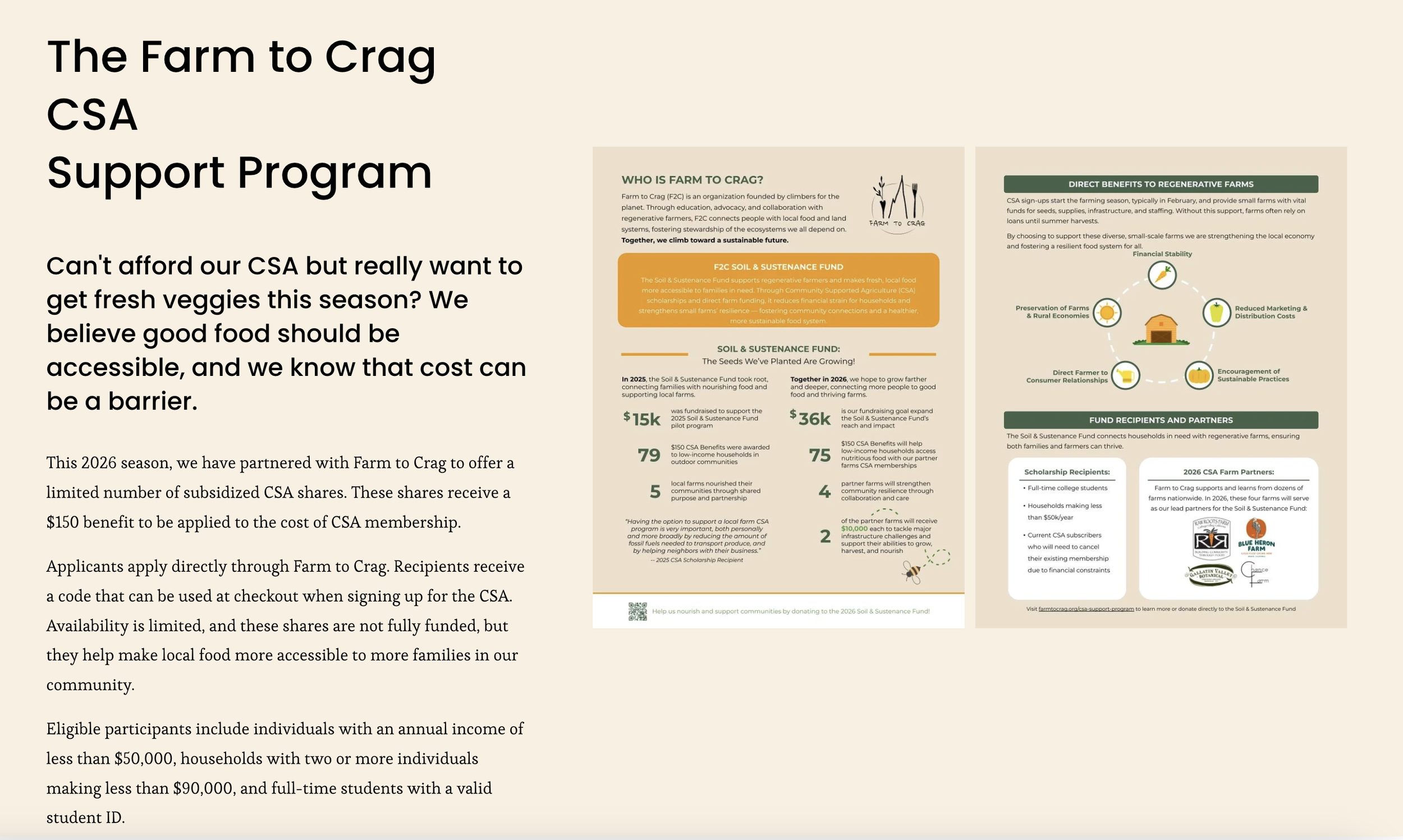
Pathway one: One of our partnerships I'm most proud of is with Farm to Crag.
Farm to Crag is a climber-driven nonprofit with a simple but powerful mission: to inspire action on climate change by investing in regenerative food systems. They connect the outdoor community with local farms, believing that choosing sustainably grown food is one of the most meaningful ways people can care for both the landscapes they love and the communities that steward them. Their work supports regenerative agriculture, strengthens local farms, and helps make healthy food more accessible.
Together, for two seasons now, we've been able to offer 15 subsidized CSA memberships each season to local families here in the Eastern Sierra. Through generous support from Farm to Crag and their Soil & Sustenance Fund, these memberships make it possible for families to receive twenty weeks of fresh, locally grown produce at a significantly reduced cost. For many, it's the difference between wanting to join a CSA and actually being able to.
We're so incredibly grateful to Farm to Crag for believing in this work and helping make fresh, local food accessible to more families in our community. Their partnership is a beautiful reminder of what can happen when people come together around a shared vision.
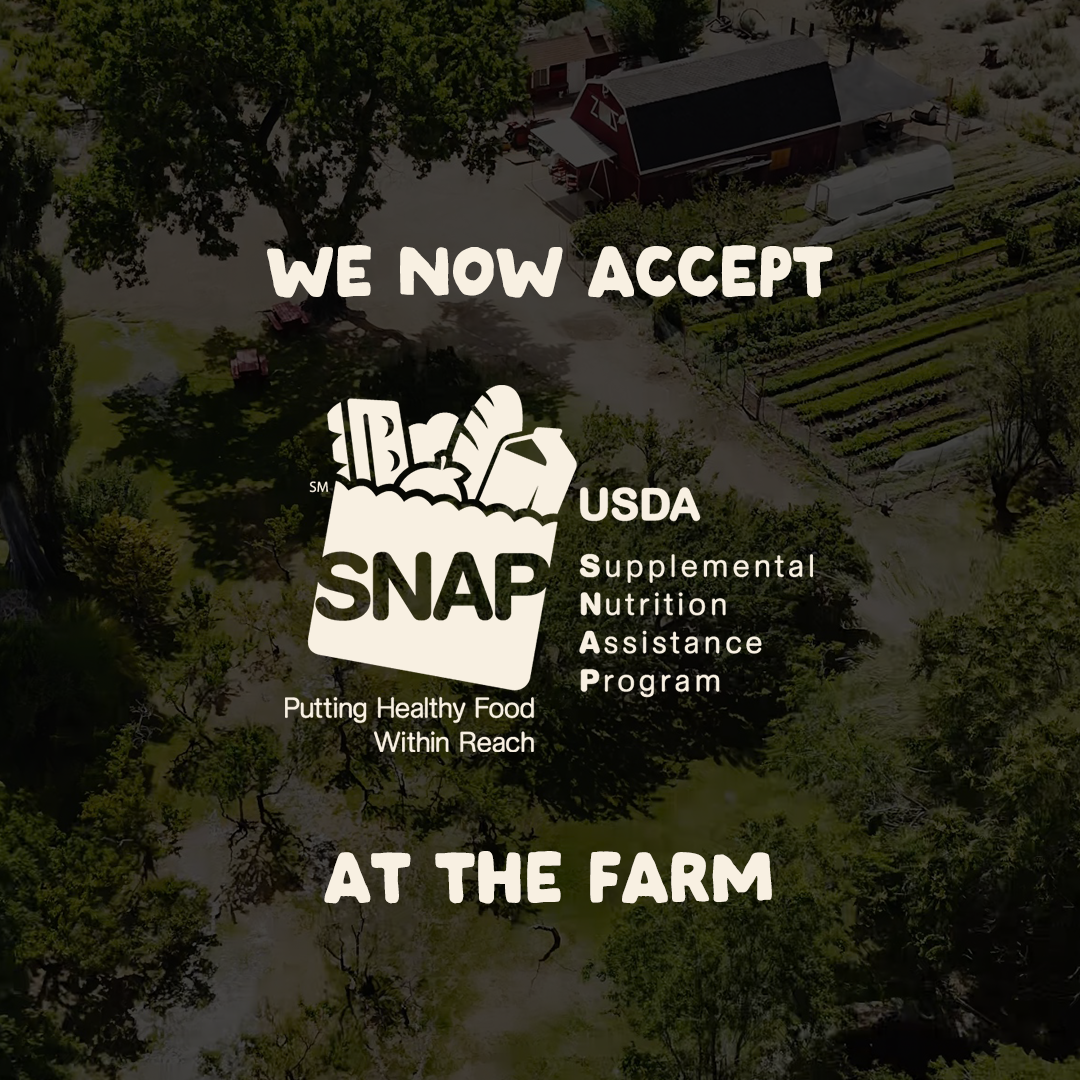
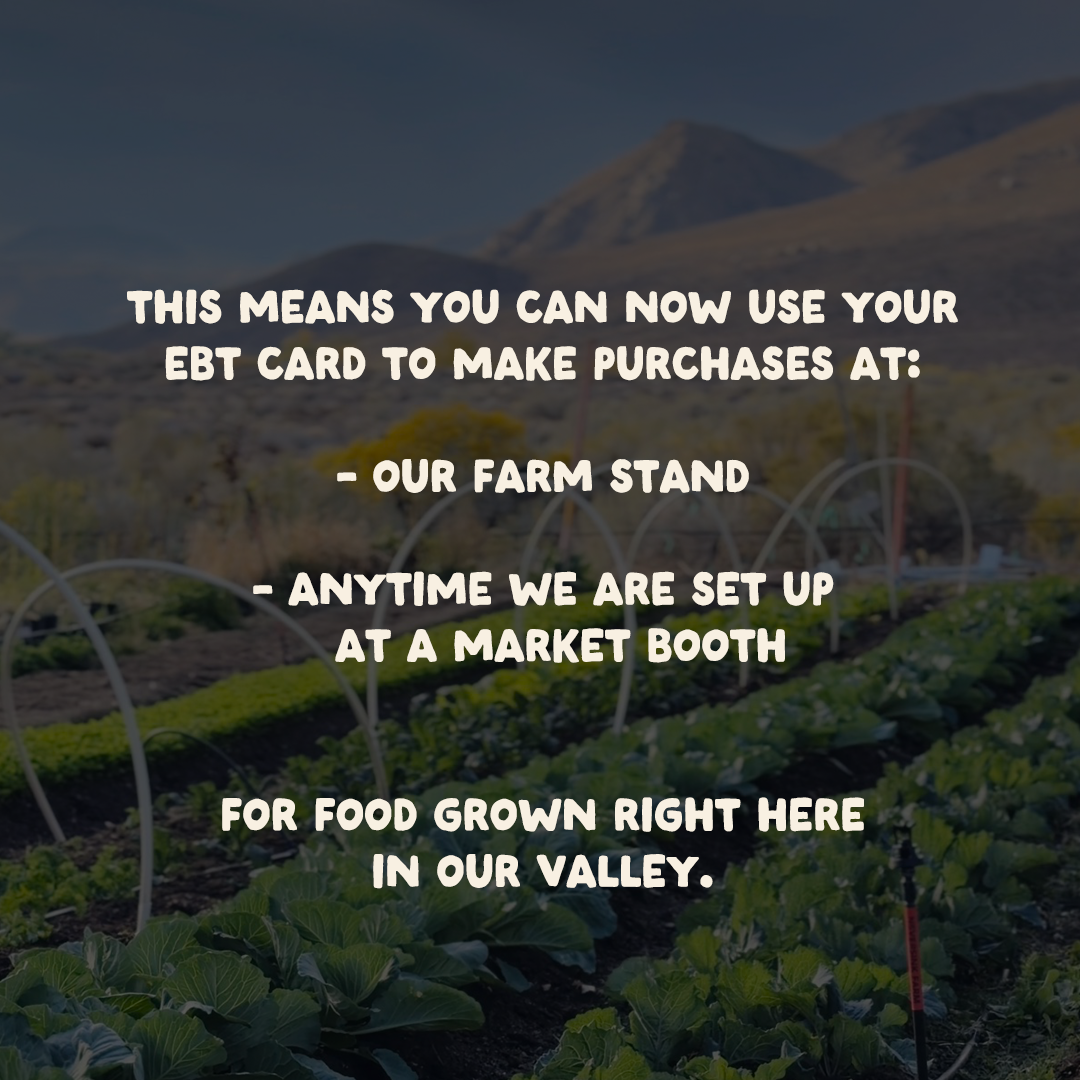
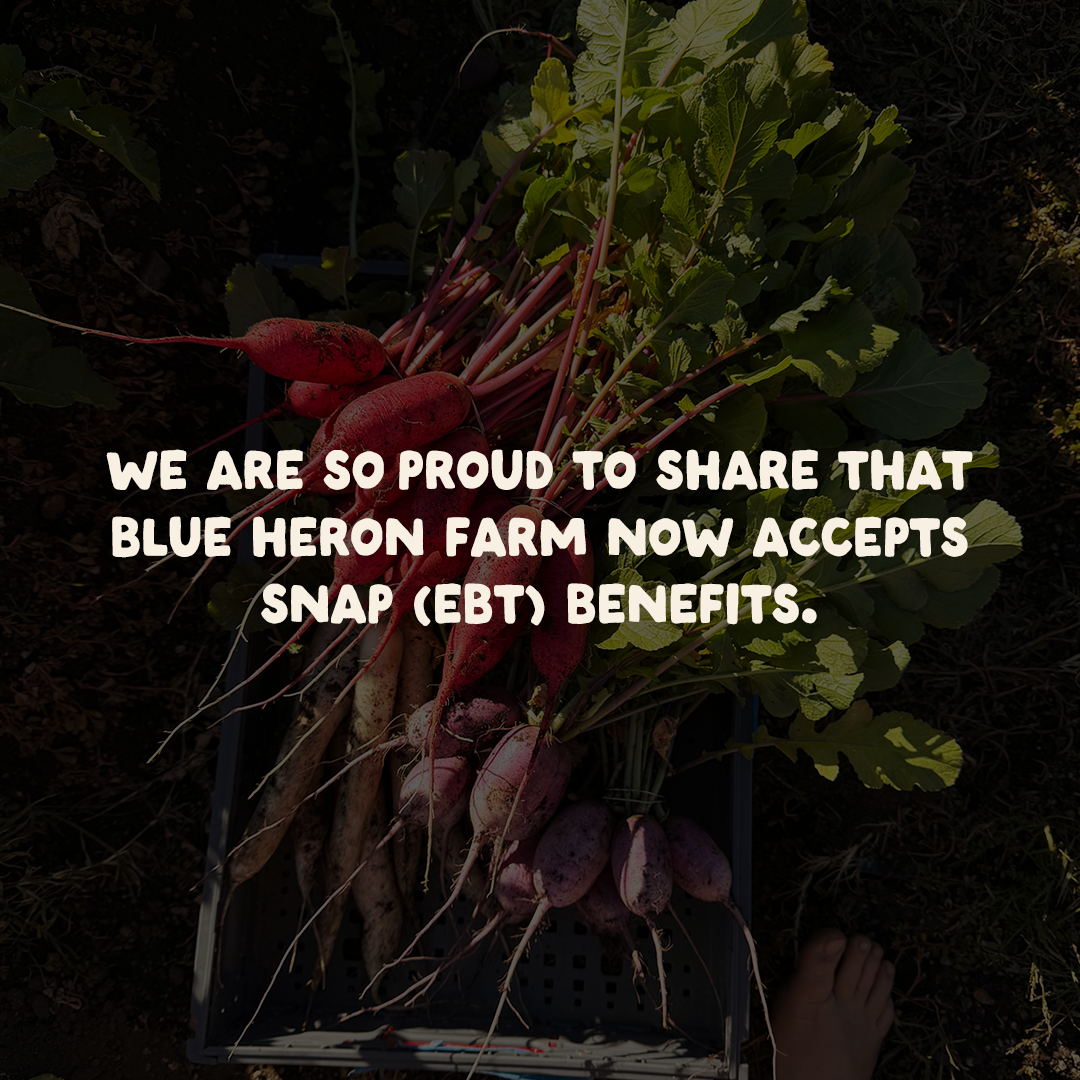
Pathway Two: Last winter, we also completed the process to begin accepting SNAP benefits at both our farm stand and wherever we sell at farmers markets.
This was something that felt deeply important to us.
Fresh vegetables, fruit, and locally grown food shouldn't exist behind an invisible financial gate. By accepting SNAP, we're making it possible for more members of our community to choose food that nourishes their families while also keeping those food dollars circulating right here in the Eastern Sierra. Supporting local farmers and improving food access aren't competing goals. They're part of the very same vision.
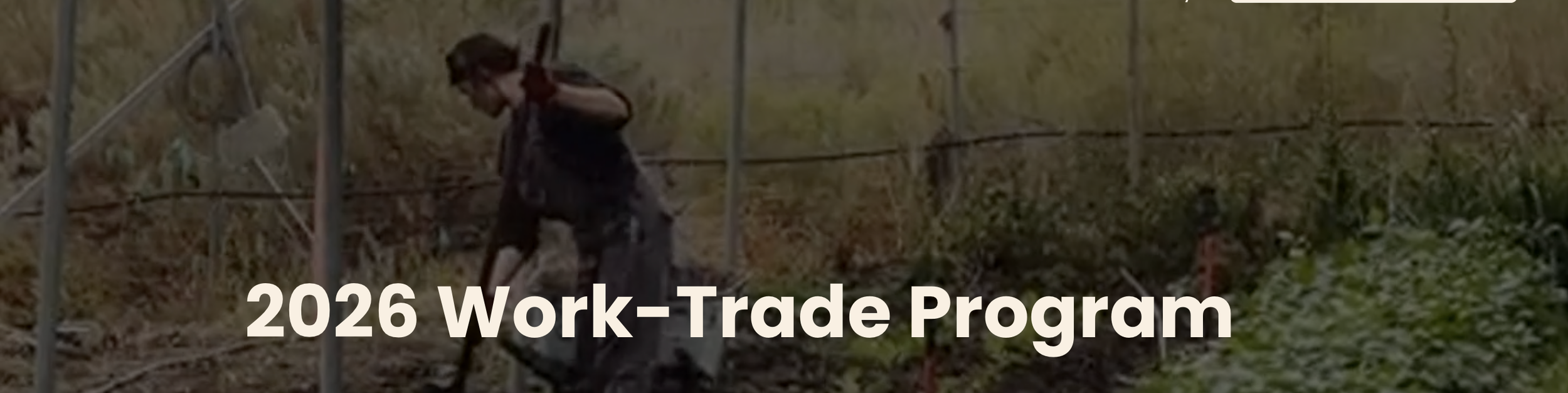
Pathway Three: This year we released the first ever Work Trade Program here on the farm! This is where selected community members spend three hours each week working alongside us on the farm in exchange for food credits to use at the farm stand or our farmers markets.
Applications for the program open once each fall, allowing us to build a small dedicated crew for the following growing season. While spaces are limited, we've found that the program becomes so much more than a way to earn food. It's an opportunity to learn new skills, spend time outdoors, connect with the land, and become part of the farm community.
Some people join because they're looking to stretch their grocery budget and get access to farm fresh food. Others come because they want to learn how food is grown. Many discover both.
I'm endlessly grateful for our Work Trade crew. The work they do each Friday is incredibly meaningful, not just because of everything they help accomplish, but because of the energy, laughter, and sense of community they bring to the farm. Fridays have honestly become my favorite day of the week. There's something really special about spending a morning working side by side, sharing stories, and tending this land together.
None of these programs solve food insecurity on their own. But resilience is rarely built through one big solution. It's built through hundreds of small, intentional decisions that slowly weave a stronger community together. A subsidized CSA membership. A family using SNAP to buy peaches, tomatoes, and salad greens. Someone spending a Friday morning laying irrigation line and later that day taking home food they helped grow.
And we know we're not finished.
We're constantly asking ourselves a simple question: How can we do better?
What other barriers exist that keep people from accessing fresh food? What partnerships haven't we built yet? What programs haven't we imagined? How can Blue Heron Farm become an even stronger resource for this community?
We don't have all the answers. But we do know that standing still isn't one of them. If we're serious about building a resilient local food system, then we have to keep listening, keep learning, and keep finding new ways to make good food more accessible. This is only our second season here at the farm, but as this farm grows, questions like this will be part of our compass in planning the future. This work is about far more than selling vegetables. It's about building a food system that can weather uncertainty because it's rooted in community. One where local farms are strong enough to feed their neighbors, where people know the farmers growing their food, and where everyone, regardless of income, has the opportunity to put fresh, nourishing food on their table.
When I imagine the future of Blue Heron Farm, I don't just picture healthy soil or abundant harvests. I picture children growing up knowing what a tomato tastes like when it's still warm from the sun. Families gathering around meals made with food grown just a few miles away. Neighbors helping neighbors. A community that recognizes food isn't simply another commodity. It's something that connects all of us.
Because at the end of the day, I believe this with my whole heart: Everyone deserves access to good food.
We're proud of the small steps we've taken so far, but they're only the beginning. We'll keep looking for new partnerships, new ideas, and new ways to bridge the gap, because a resilient food system is never finished. It's something we build together.
Know Someone Who Could Benefit?
If you know someone who could benefit from a subsidized CSA membership or from using SNAP benefits at our farm stand or farmers markets, please help us spread the word. One of the biggest challenges I feel like we are currently facing is making sure the people who could benefit from them know they exist. Help us spread the word!