A Farmer's Notes on This Heatwave
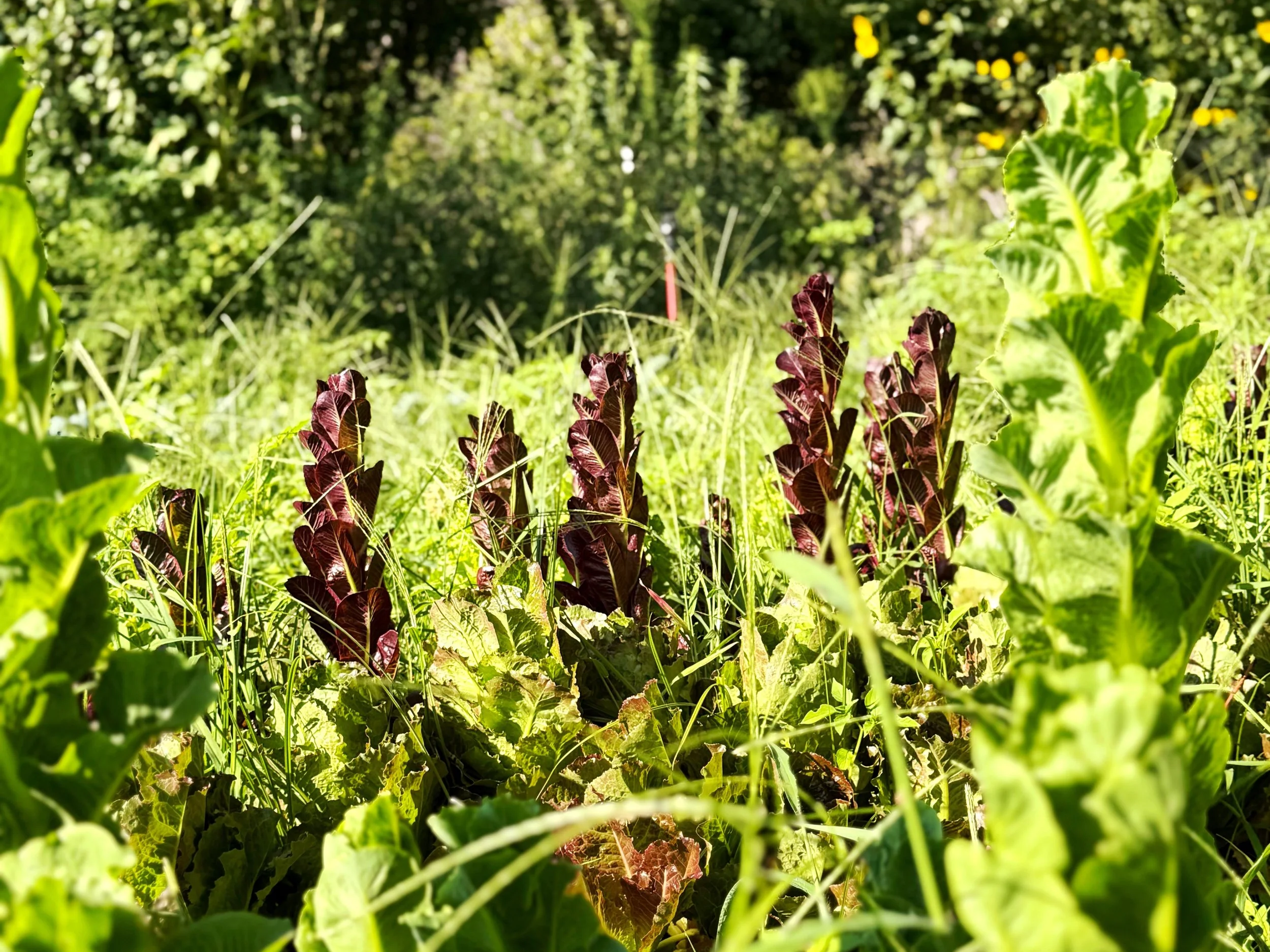
It's been hot.
The kind of hot where the light is so harsh it drains the color from the valley.
This heatwave has been a good reminder that not all vegetables experience summer the same way. We tend to lump them all together but each crop has its own comfort zone. Some are built for this weather. Others are simply trying to survive it.
The first crops to let us know they're unhappy are usually the greens.
Lettuce starts stretching toward the sky instead of making nice tight heads. Just last week, we had rows of beautiful lettuce ready to harvest. Within a blink of an eye, under a few days of triple-digit temperatures, those same heads grew feet taller (literally) into flower stalks. Arugula gets noticeably spicier. Even kale and chard, which are tougher than most leafy greens, slow down after several days of triple-digit temperatures.
It's easy to think something has gone wrong. It hasn't. The plants are doing exactly what they're supposed to do.
When temperatures climb high enough, many leafy greens stop putting their energy into making tender new leaves and instead focus on producing seed. From the plant's perspective, if conditions are becoming difficult, the priority shifts from growing to making sure the next generation has a chance.
As the heat drags on, you'll probably notice something else too. The pests arrive. Our kale is usually one of the first places we see it. One week the plants look beautiful. The next week we start seeing the aphids.
That's not a coincidence.
Heat stresses the plants, leaving them with fewer resources to defend themselves. At the same time, aphids thrive in warm weather. Their populations can explode in just a matter of days, often faster than ladybugs, lacewings, and other beneficial insects can keep up.
If it happens in your garden, don't panic. A strong blast of water every few days is often enough to knock aphids back while giving your plants a chance to recover. Keeping plants healthy and well-watered goes a long way, and once the temperatures begin to ease, you'll often find the garden starts to find its balance again.
Tomatoes handle the heat a little differently. People always say tomatoes love hot weather, and that's true, to a point. Sometimes I grumble at them because they can be such divas. The vines themselves can handle remarkably hot days, but the flowers are another story. Once daytime temperatures climb into the upper 90s, especially if nighttime temperatures stay above about 70 degrees, tomato pollen becomes much less effective. The flowers can even start dropping off. The plants still look healthy. But many of those blossoms never turn into fruit, the effects of this heatwave won't really show up until a few weeks from now.
The tomatoes we would normally be harvesting three or four weeks from today are the flowers trying to set fruit right now. If those flowers don’t set properly, there simply won't be tomatoes to pick later on.
That's why you'll sometimes see a beautiful tomato plant in August that seems to have stopped setting tomatoes. It's simply too hot to reproduce successfully. Don’t panic though, once the temperatures drop back down they will start back up.
Then there are the cucumbers. These are funny plants. Walk by them in the afternoon and they'll often look completely wilted. Leaves hanging limp. Entire vines looking like they've given up. Come back the next morning, and they're standing right back up again. That afternoon wilt isn't always a sign they need more water. Often they're simply losing water through their leaves faster than their roots can replace it. As the temperatures cool in the evening, they catch back up.
That's why it's important not to panic every time you see a wilted cucumber plant in the middle of a hot day. Check it again after sunset or early the next morning before reaching for the hose.
If you're gardening through this heat, there are a few things that can make a big difference.
Water deeply and early in the morning whenever you can. Deep watering encourages roots to grow farther into the soil, where temperatures stay cooler and moisture lasts longer. On the farm, you'll also catch us running irrigation during the hottest part of the afternoon. By then we're not really trying to water the plants, they've already had their drink. We're trying to cool everything off. A little water can drop the temperature around the plants just enough to help take the edge off those brutal afternoons.
Keep the soil covered with mulch. Whether it's straw, leaves, compost, or wood chip mulch insulates the soil, reduces evaporation, and keeps the root zone significantly cooler during the hottest part of the day.
If it is feasible, consider giving your plants a little afternoon shade. Even a piece of 30% shade cloth can lower leaf temperatures enough to slow bolting and reduce stress.
And finally, give your garden (and yourself) a little grace.
This is the hardest stretch of the growing season. Hang in there.