Cyclospora: An Insight into The Distance Between Us and Our Food
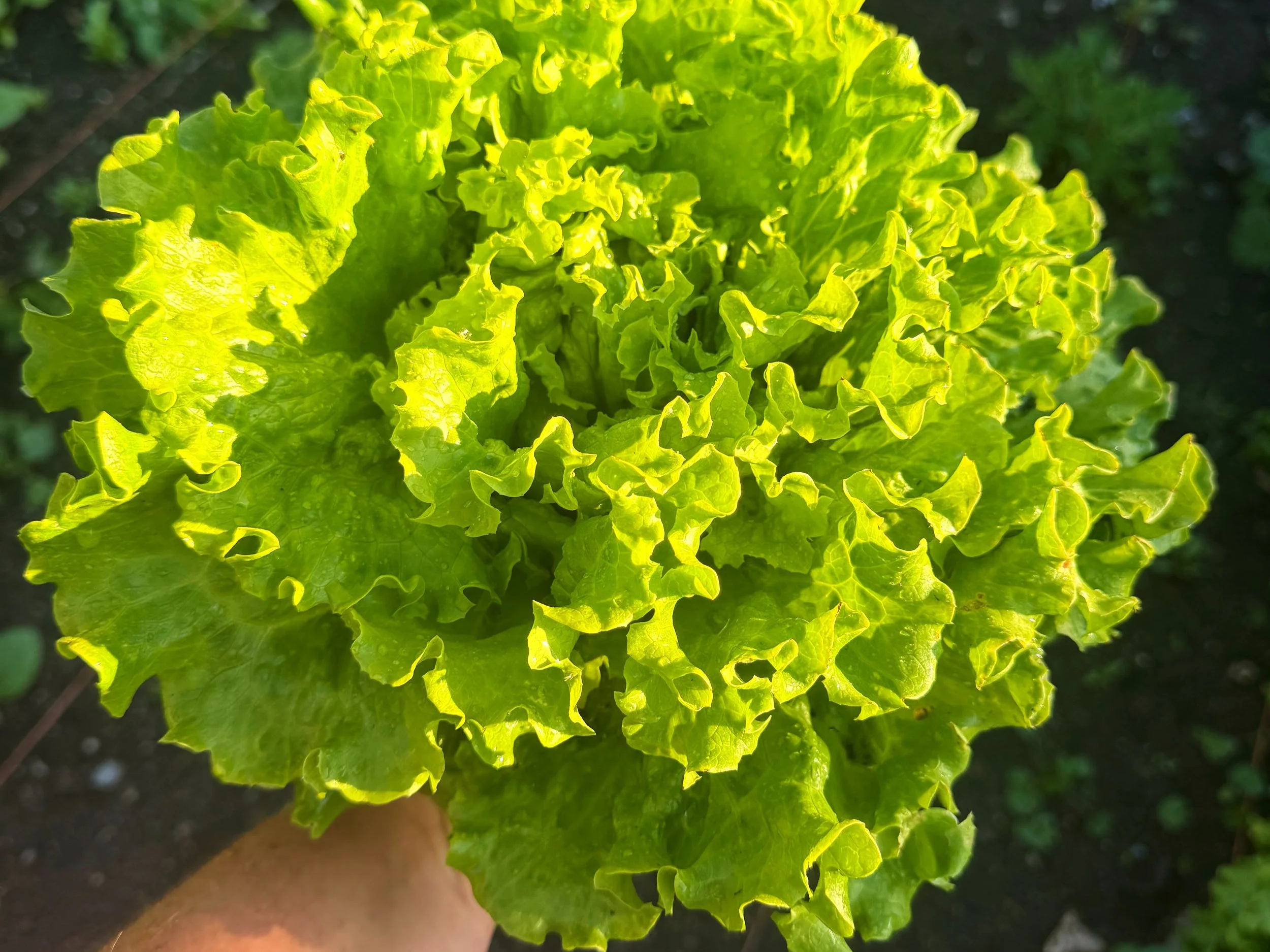
I have been thinking a lot about lettuce this week.
Over the past month, thousands of people across the United States have become sick with Cyclospora, a microscopic parasite that causes severe gastrointestinal illness. After weeks of investigation, health officials traced the outbreak to shredded iceberg lettuce that traveled from a growing region in central Mexico before eventually making its way into Taco Bell restaurants across multiple states.
I always find investigations like this fascinating.
Not because people getting sick is interesting, that part is truly terrible. But because outbreaks like this pull back the curtain on something most of us rarely stop to think about: the extraordinary journey our food takes before it reaches our plate.
That head of lettuce didn't simply grow in a field and magically end up on someone's lunch tray. It was grown in one place, packed in another, hauled across long stretches of highway, cooled, processed, shredded, mixed with lettuce from other fields, packaged, shipped through distribution centers, crossed an international border, delivered to restaurants, and finally served to someone who thought they had no reason to wonder where it had come from.
A simplified example of how that traceback might look:
Iceberg lettuce field
Central Mexico
↓
Harvest crew cuts lettuce by hand
↓
Packed into field cartons
↓
Transported by refrigerated truck to a regional cooling facility
↓
Hydrovacuum cooled
↓
Sent to a fresh-cut processing plant
↓
Outer leaves removed
Lettuce from multiple fields combined
Shredded, washed, and packaged into foodservice bags
↓
Loaded onto refrigerated semi-trailers
↓
Crosses the U.S.–Mexico border
↓
National food distributor warehouse
↓
Regional distribution center
↓
Restaurant distribution truck
↓
Taco Bell restaurant
↓
Employee opens bag and prepares tacos and burritos
↓
Customer eats lunch
When you stop and really picture that journey, it's hard not to be impressed. Typically that whole process from field to plate takes somewhere between 7 to 14 days. To me, that is pretty incredible.
Every single day, our food system moves millions of pounds of fresh produce across countries and continents so grocery stores stay stocked and restaurants can continue serving meals. It is an extraordinary logistical achievement, and most of the time it works remarkably well.
But systems this large inevitably become systems this complicated.
Every extra mile between the farmer and your fork adds another layer of complexity. Every truck, warehouse, processing facility, distribution center, and handoff becomes another link in a chain where something could go wrong.
Reading about this outbreak, I couldn't help but wonder what our community would look like if just a little more of our food came from a little closer to home.
Maybe our lettuce travels twelve miles instead of twelve hundred. Maybe our carrots come from a neighbor's garden, and our plums come from an orchard you've actually walked through.
This isn't an argument that local food is automatically safer. It isn't. Food safety matters on every farm, whether it's ten acres or ten thousand, and every farmer has a responsibility to grow food that is safe and people can trust.
But local food does offer something that these long supply chains often cannot. Transparency.
You know where your food came from. You know who grew it. You can visit the farm, ask questions, and shake the farmer's hand.
That relationship has so much value.
Cyclospora won't be the last foodborne outbreak. Our industrial food system is simply too large and too interconnected.
But maybe the insight is that we should invest more into developing relationships with where our food comes from.
What if we shopped local first, and then filled in what we couldn’t find at the grocery store? Maybe the lesson is to shorten the distance whenever we can. Buy lettuce from a farmer you know. Plant a few tomatoes in the backyard. Trade goodies with your neighbors.
Because every time we shorten the distance between the field and the fork, we build a food system that is a little more transparent, a little more resilient, and a little more connected to the place we call home.
And I think that's a future worth growing.