How the Market Grows
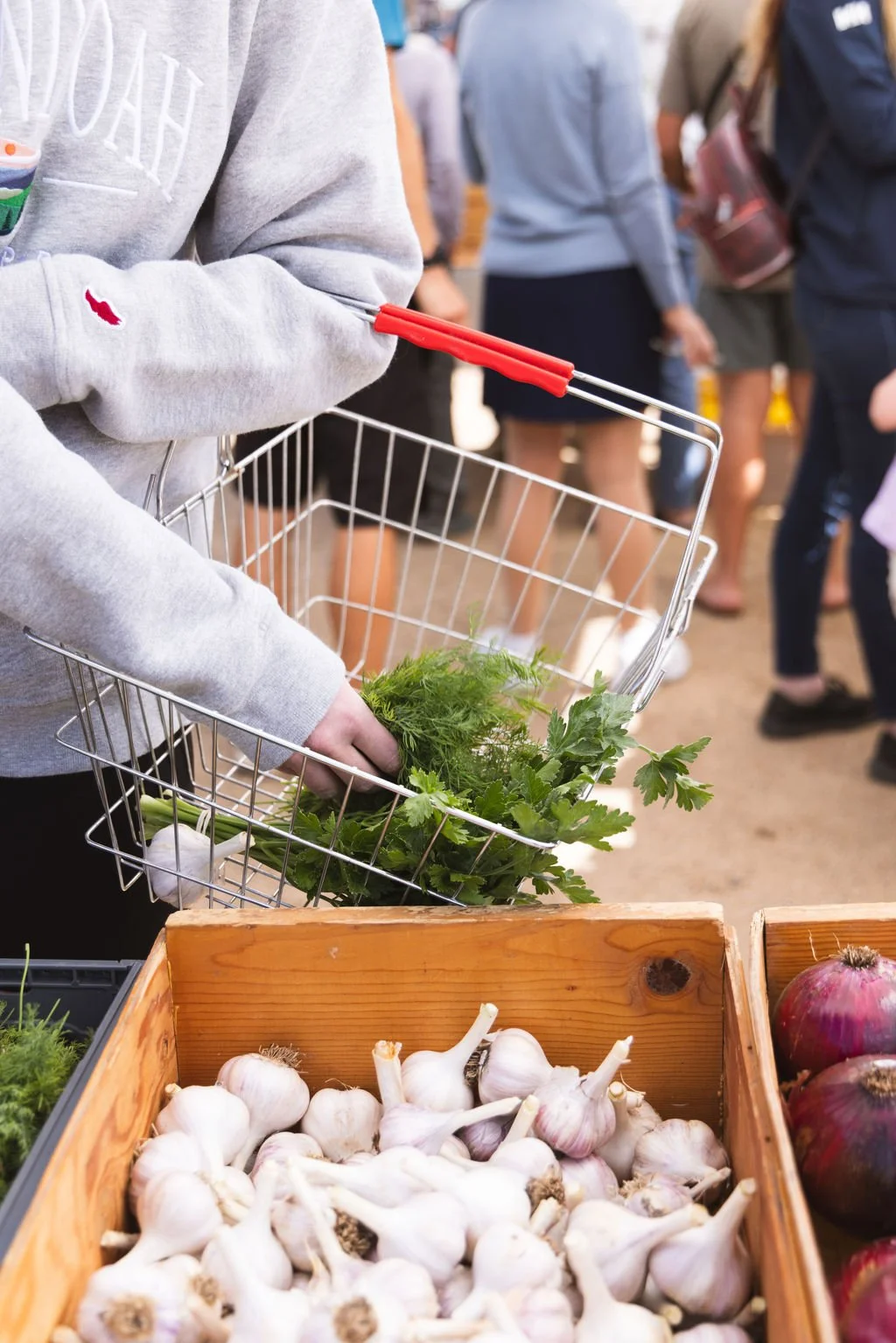
All photographs taken by the incredibly talented: Nicole Sands, Sierra Summit Photography
There is something really special about a farmers market. On the surface, it is pretty simple: farmers harvest food, makers pack up what they have made, ranchers load coolers, and everyone drives into town, unfolds a few tents and tables, puts out their signs, and cross their fingers that people show up. But underneath all of that, something much bigger is happening. A farmers market creates a direct connection between the people who produce food and the people who eat it, and for a small producer, that connection can make an enormous difference.
One of the most obvious benefits is economic. According to the USDA, in 2024 U.S. farms received an average of just 18.5 cents of every dollar consumers spent on food in large chain grocery stores. This mismatch happens because there are so many businesses standing between the farm and the customer: wholesalers, distributors, transportation companies, storage facilities, processors, and retailers, all of whom need to be paid along the way.
For a farmers market, many of those same tasks still have to happen, but the producer is often the one carrying them. We harvest, wash, cool, store, pack, transport, unload, set up, sell, and then pack it all back up again at the end of the day. When you buy a bunch of carrots or a container of peaches directly from us, you hand us dollars, and that sale comes directly back to the farm. Of course, that does not mean the whole dollar is profit. We still have to cover all of the expenses involved in growing, handling, transporting, and selling that food. But instead of paying multiple businesses along the supply chain to perform those roles, the farm is doing much of that work itself. That means a larger portion of what you spend stays with the farm that actually grew the food. For small farms operating on very thin margins, that matters tremendously.
The economics are only one part of it, though. Honestly, the relationships are be just as valuable. At a market, we actually get to know the people we grow for. We hear which Asian pear was your favorite. We find out that your kids ate the entire pint of cherry tomatoes before you even made it home. We hear what you wish we would grow, what you loved this season, and which varieties maybe do not need quite so much space in the field next year. That kind of real-time feedback is incredibly useful for a small farm. It helps us become better growers and better business owners, but it also reminds us that all of this work ultimately ends with someone sitting down at a table and eating what we grew.
I also think farmers markets play a much bigger role in building a resilient local food system, especially here in the Eastern Sierra. They give local food a home. Every week there is a space dedicated to what this region can grow, raise, and make, and that creates a place where the community can actually see what is possible here. Instead of local food being scattered between individual farms, ranches, small businesses, and occasional events, the market brings all of those pieces together in one place.
There is also something wonderful about the way a farmers market reconnects us to seasonality. The market is never exactly the same two weeks in a row. Early in the season there might be greens, radishes, and turnips. Then zucchini starts piling up on the tables, tomatoes arrive, we all wait with baited breath for the peaches, and eventually apples begin appearing. The offerings change because the season is changing, and when you visit regularly, you start noticing those changes. You begin to understand when certain crops grow here, what our climate allows, and what it actually means to eat with the seasons.
For producers, though, farmers markets are not necessarily easy. There is a huge amount of work that happens before we ever pull into the parking lot. Food has to be harvested, washed, cooled, bunched, weighed, packed, and loaded before we even leave the farm. Then there is the drive, the unloading, setting up the booth, arranging the tables, and getting everything ready before the market opens. And when the market is over, the work is not done. Whatever is left has to be packed back up, the booth taken down, everything loaded into the van, and then hauled back to the farm. Once we get home, the van still has to be unloaded, produce put away, supplies reorganized, and everything reset so we can be ready for the next day. After all of that work, there is still one very big variable that none of us can control: whether people are going to come.
Maybe the wind is howling. Maybe the weather turns terrible. Maybe there is another big event happening in town that night. Maybe everyone happens to be out of town that week. There are so many little factors that can change the amount of traffic a market gets, and for a producer who has already invested hours of labor into preparing for it, a slow market can be a pretty significant hit.
That challenge is even bigger when a market is just getting established because there is a bit of a chicken-and-egg problem. Customers want to show up to a market that has a lot of vendors and a great selection. Vendors, understandably, want to attend a market where they know there will be enough customers to make the time, labor, and travel worthwhile. Someone has to take the risk first, and it can take years to build the kind of momentum that makes both sides confident enough to keep showing up.
Which is why we have been so completely blown away by the Mammoth Wednesday Market this year.
You all showed up.
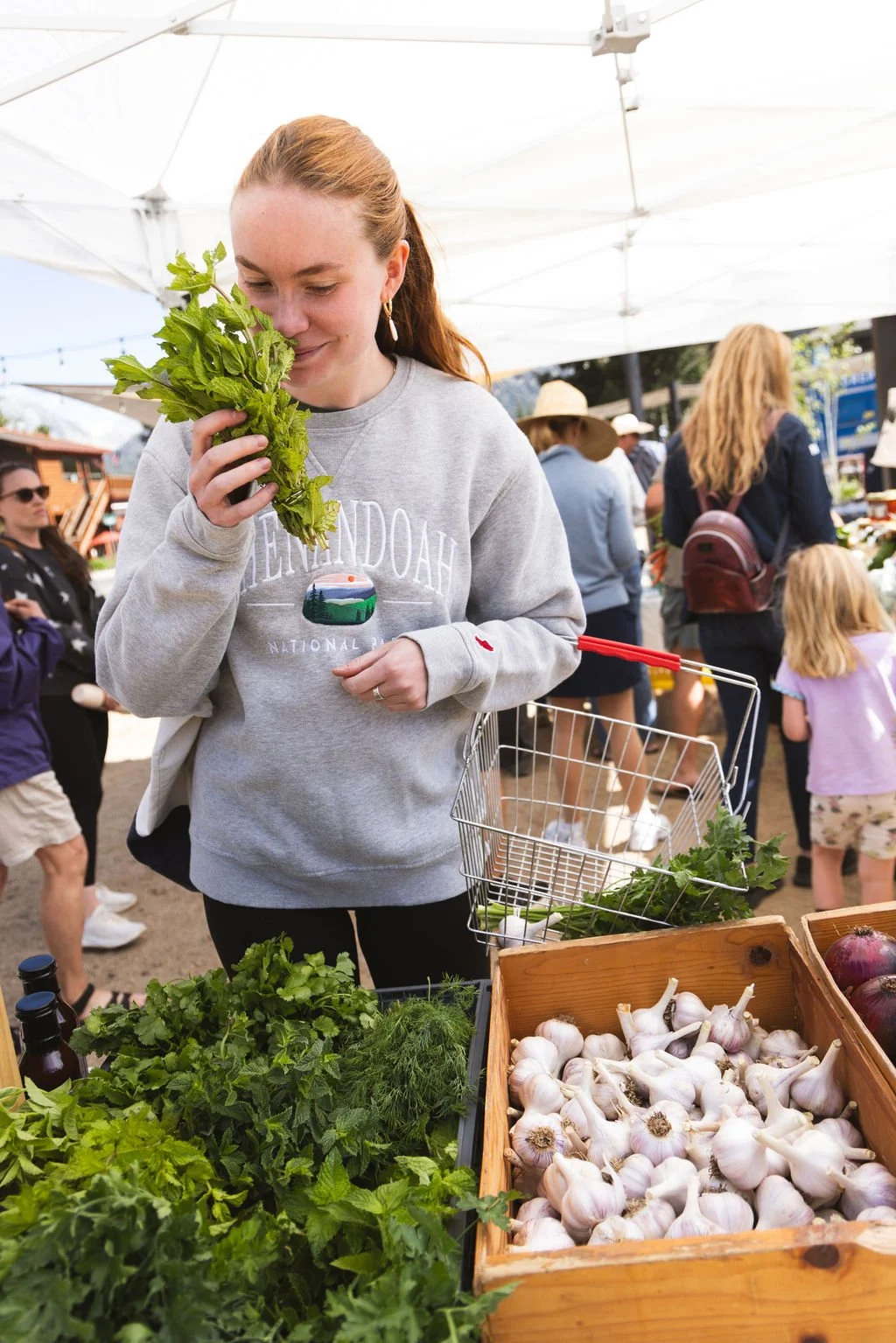
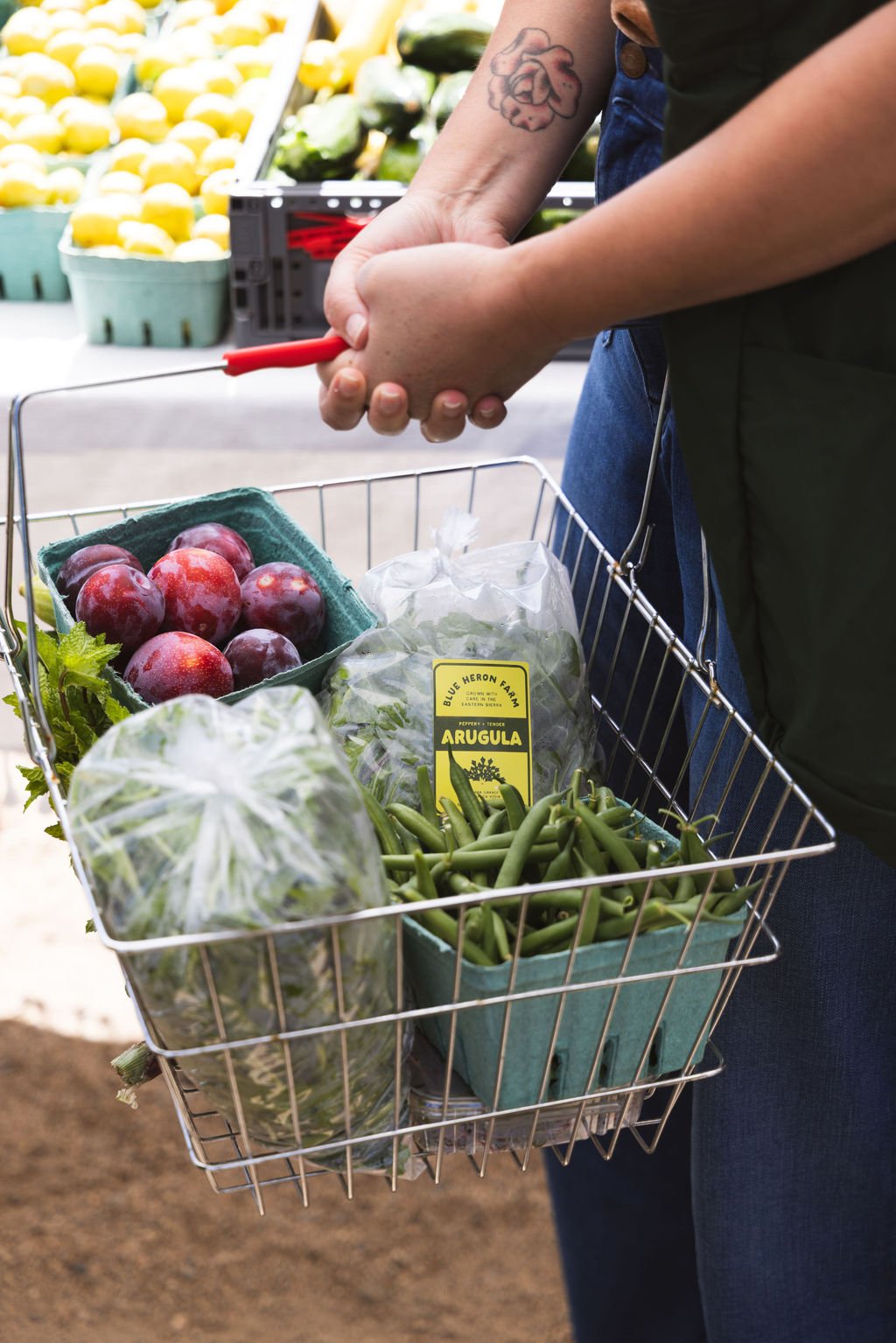
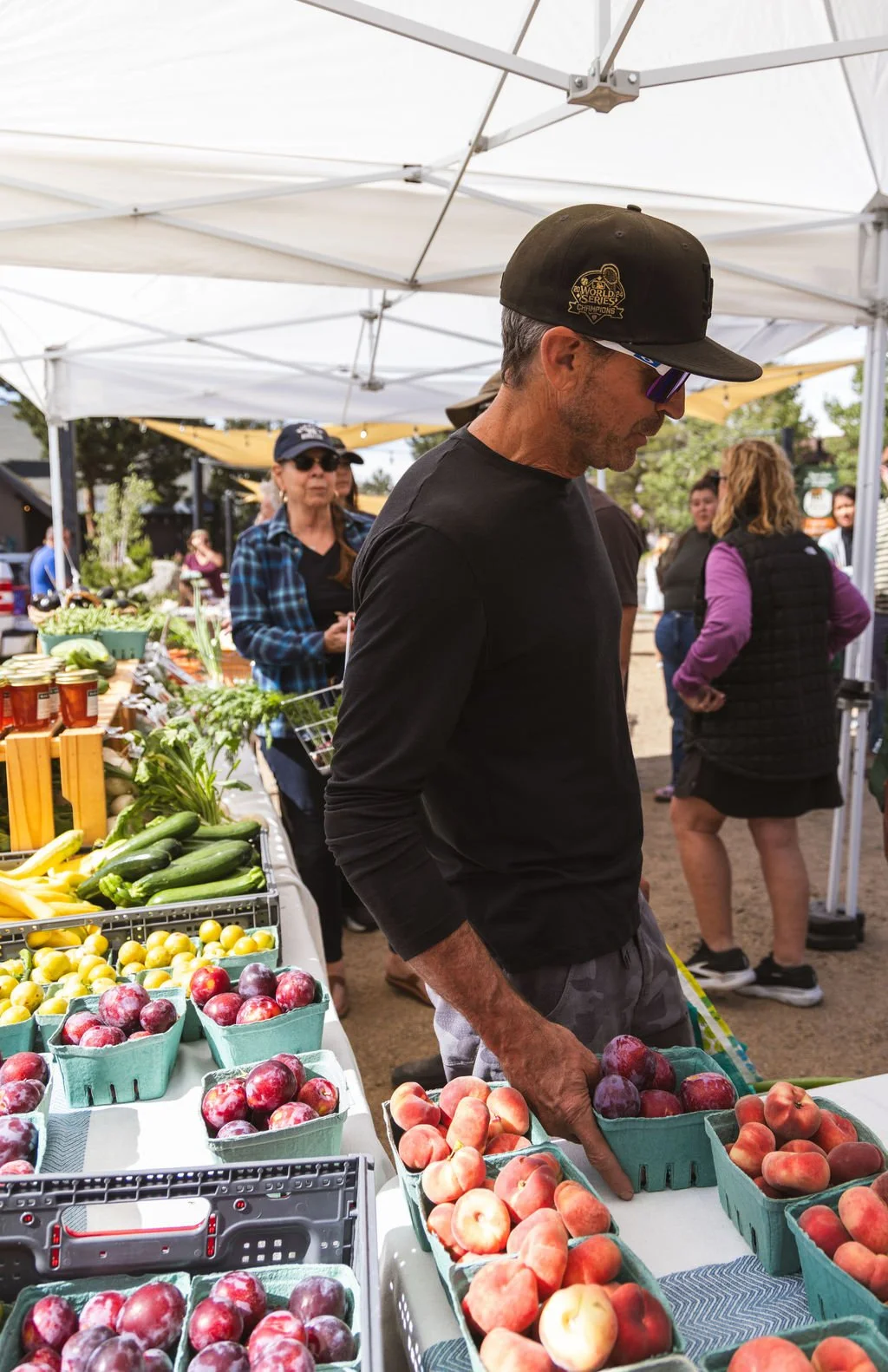
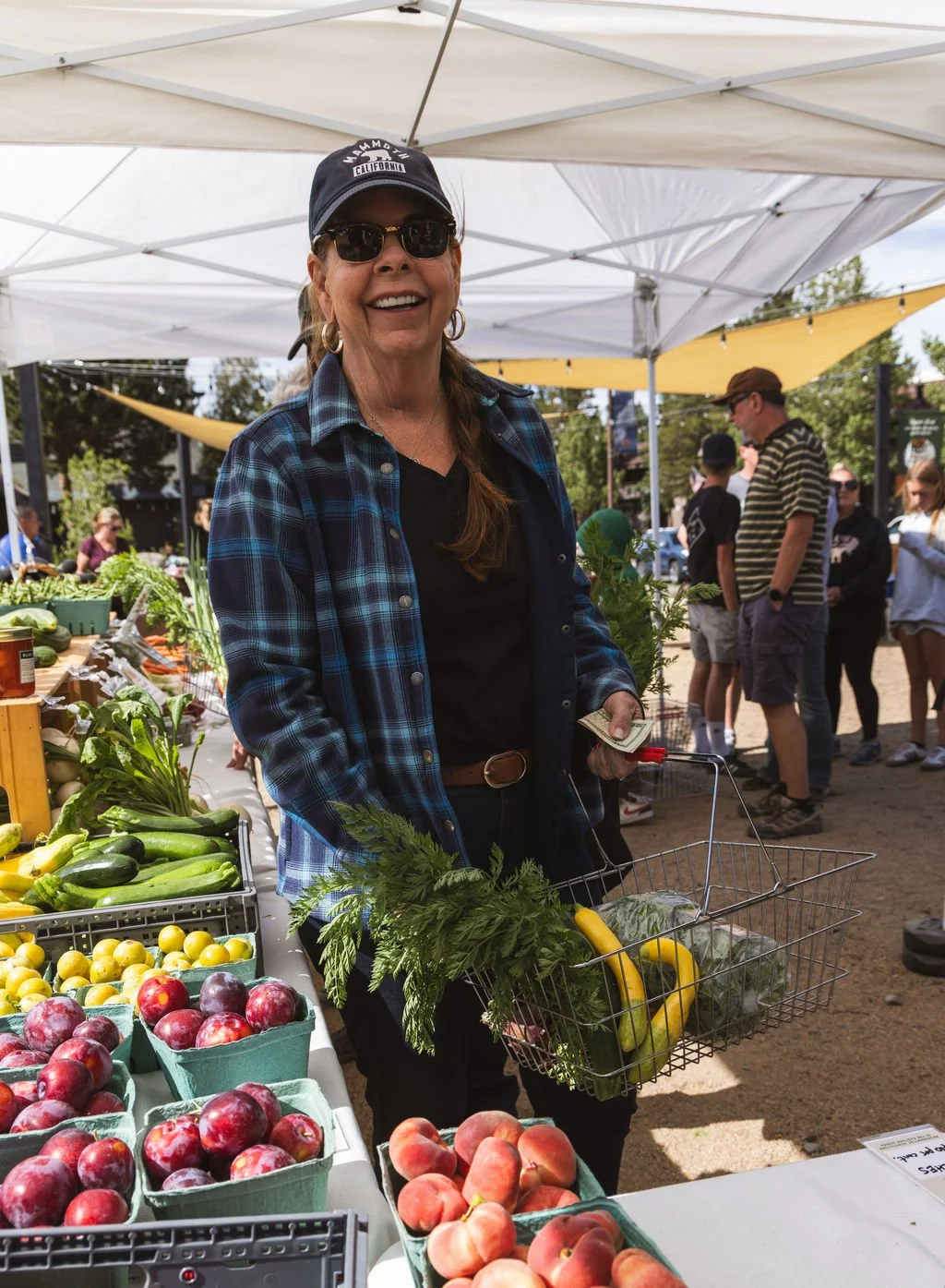
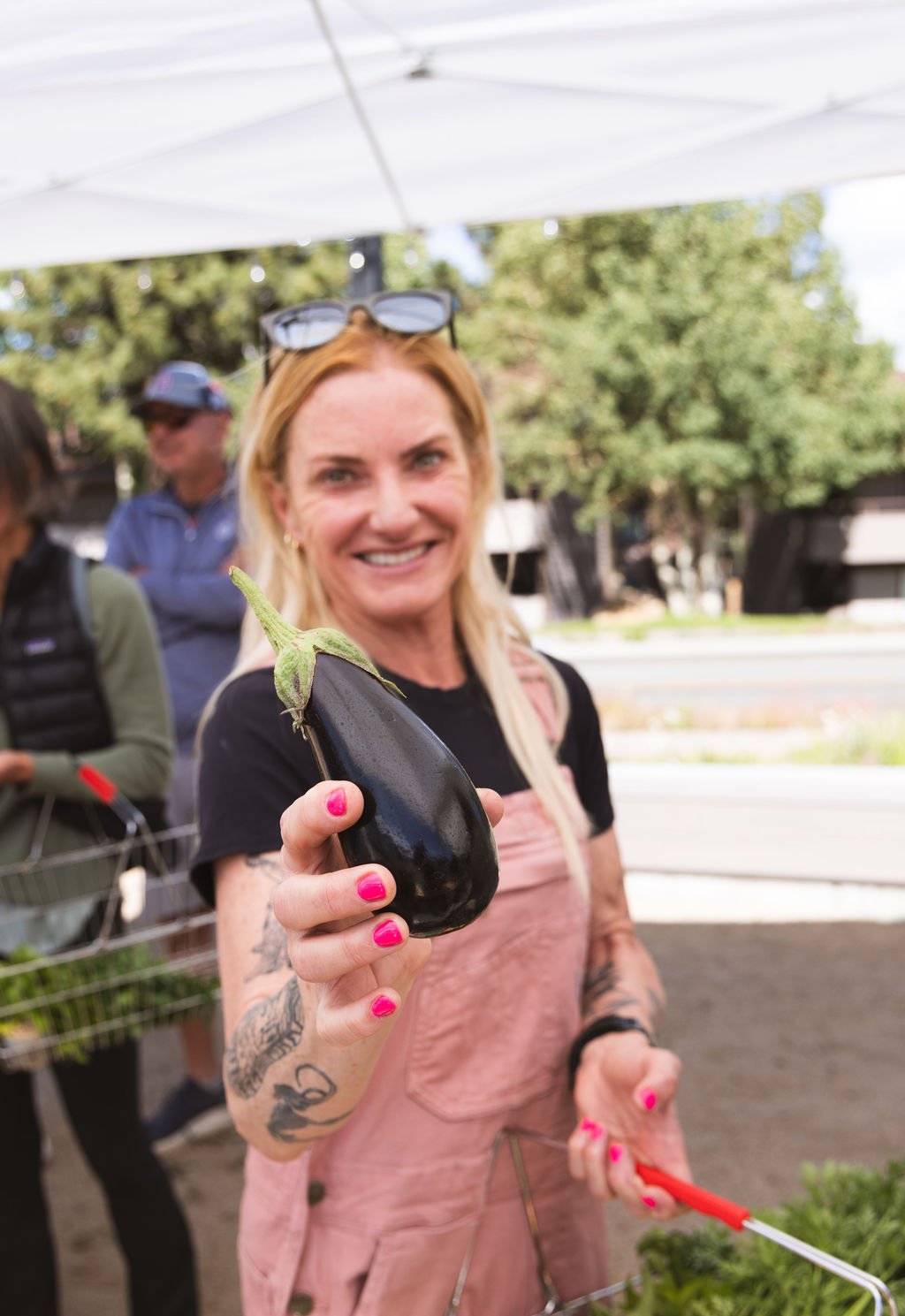
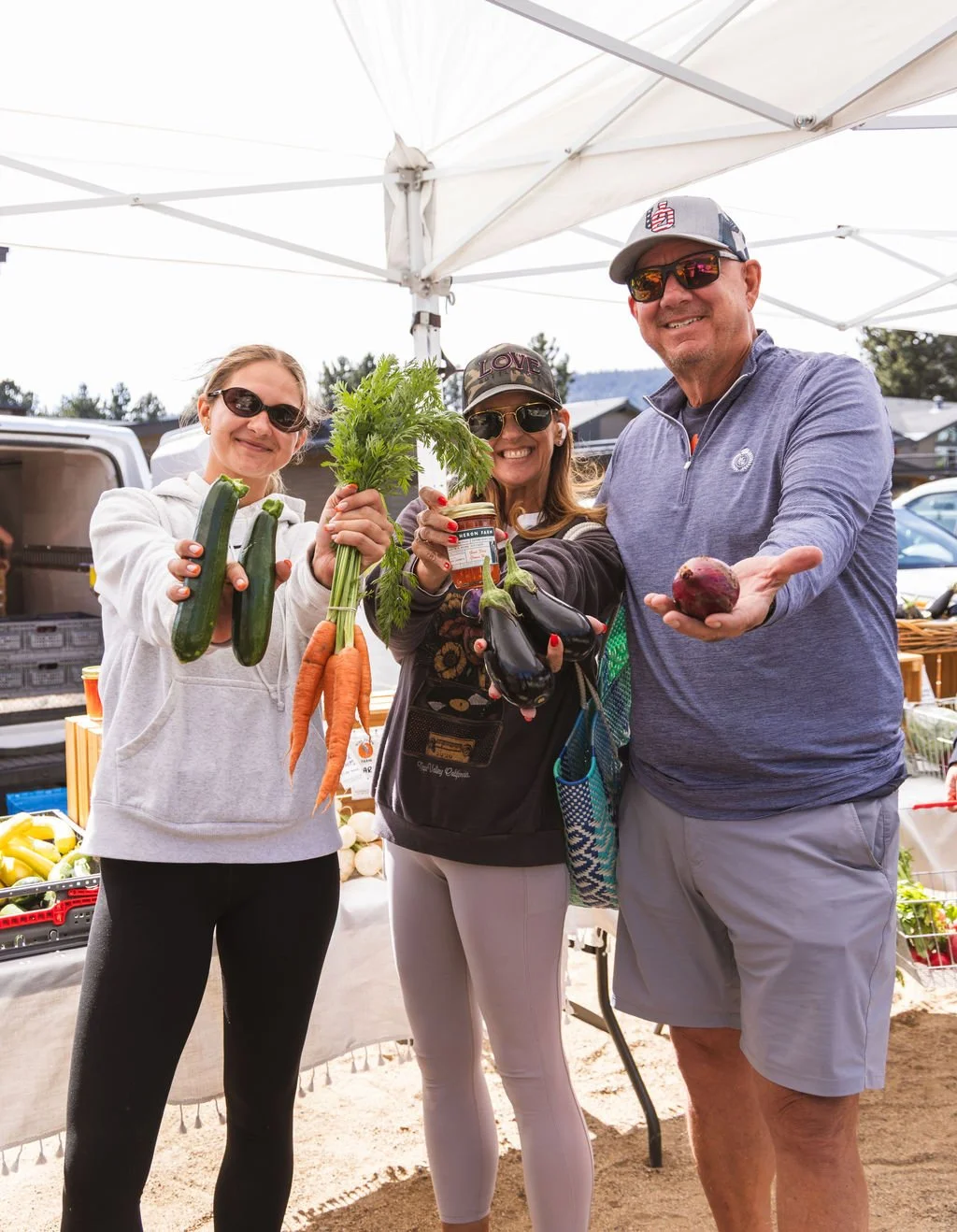
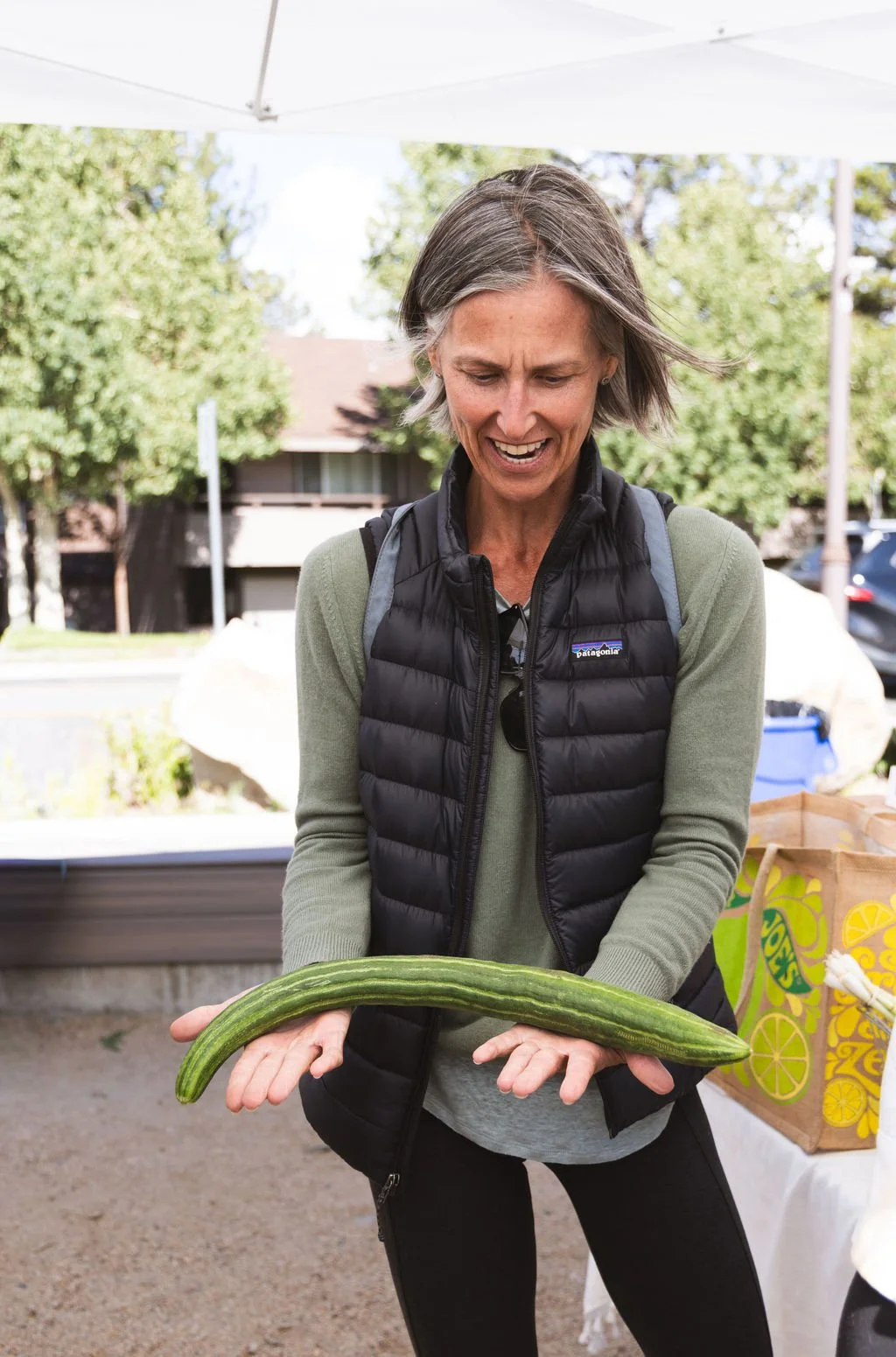
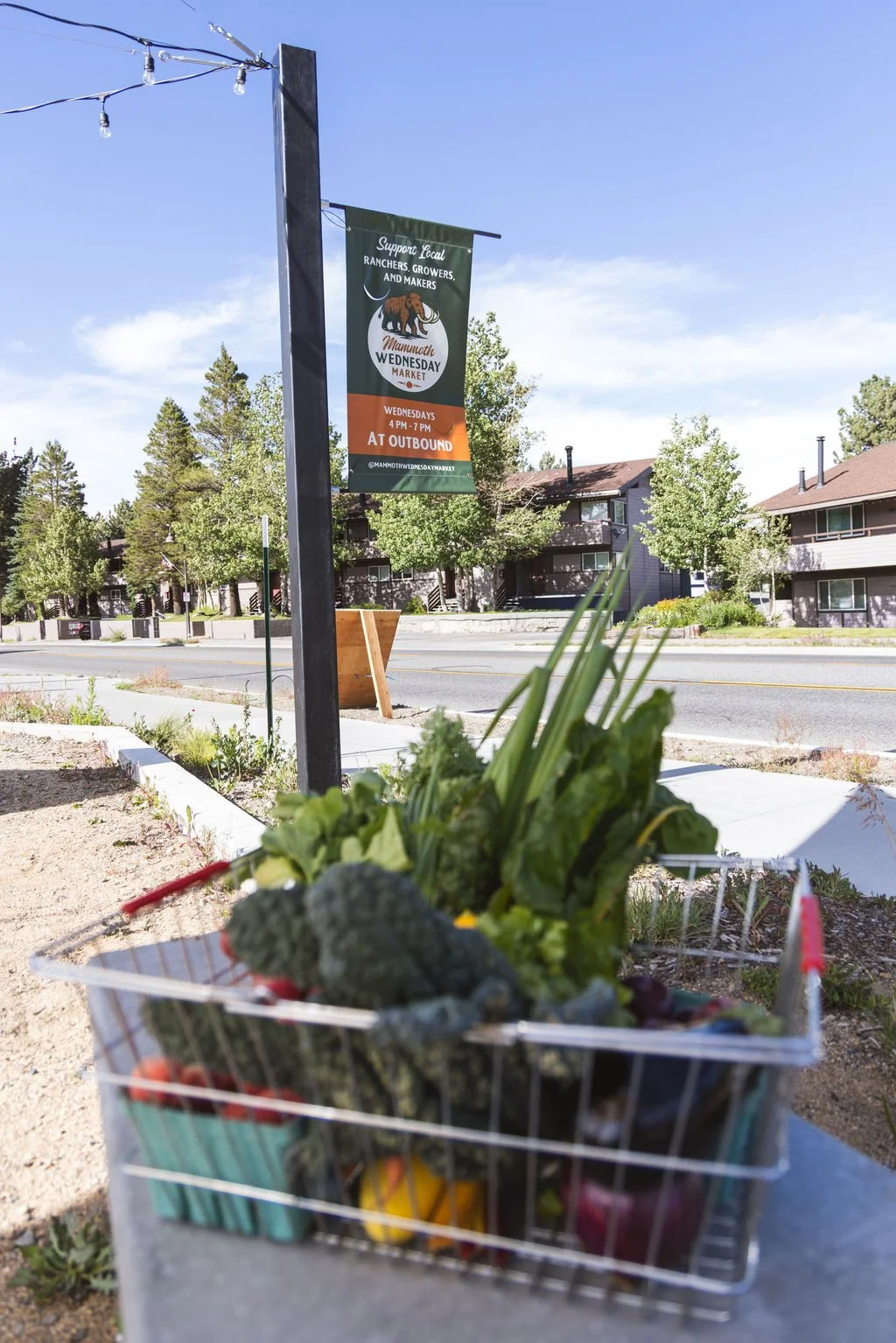
Week after week, we have watched people come through the market, shop, talk with producers, run into friends, bring their kids, and spend a little part of their Wednesday evening together. Over the course of the season, it has started to feel like more than a place to buy groceries. It has started to feel like a gathering place, and watching that happen has been incredibly exciting.
Throughout this season you could find produce from Blue Heron Farm, locally grown mushrooms from High Sierra Mushroom Co., grass-fed beef from Montgomery Creek Ranch, handmade soap from Momma and Joe's Suds, and locally roasted coffee from Albatross. We also had some wonderful pop-ups, including Grace from Grace's Flowers, who is already excited about joining us next year, and Dori from Seismic Gardens.
What excites me is that other local makers, growers, and ranchers are watching. They are seeing people gather. They are seeing customers come back week after week. They are seeing that there is a community here that wants locally grown and locally made products and wants a place where they can find them.
That momentum is powerful because this is how something like a local food system actually gets built. It does not appear all at once. A farmer brings a table of vegetables. A rancher brings beef. A mushroom grower joins. A flower farmer sees what is happening and decides maybe she will come next year. A customer tells a friend, and that friend shows up the following Wednesday. Little by little, the market becomes stronger, and every person who participates makes it a little easier for the next producer to take the leap and join and that brings more people.
We have just two Mammoth Wednesday Markets left this season, with our final market planned for October 7, and before we wrap up I really just want to celebrate the people who make this possible.
First and foremost, our incredible Vân. Van has been a pillar of the Mammoth market since the days of Apple Hill Ranch and has carried that commitment right into this next chapter with Blue Heron Farm. Her dedication to making sure locally grown food has a place in Mammoth is truly unmatched. She has shown up, championed the market, supported the farm, and believed in the importance of bringing local food to this community year after year. We simply cannot appreciate her enough.
As the market grew and we realized we needed more hands, Lindsay and Robyn jumped right in. We are so grateful for the time, energy, and care they have brought to the market this season. It takes a lot of hands to make something like this work, and we feel incredibly lucky to have them as part of the Blue Heron crew.
And, of course, a huge thank you to Eric and the team at Outbound for being so welcoming and supportive and for giving this market a home. Having a space where local producers can gather every week has made all of this possible.
Cheers as well to every producer who took the chance, packed up their goods, and came out this season. And finally, to this community: thank you. Your support is what gives this market life. Every time you show up, bring a friend, buy something local, or tell someone about the market, you are helping make it possible for local growers, ranchers, makers, and small businesses to keep showing up too.
We can't thank you enough for supporting local and for helping this little market grow into something we can all be so proud of.
See you next Wednesday.